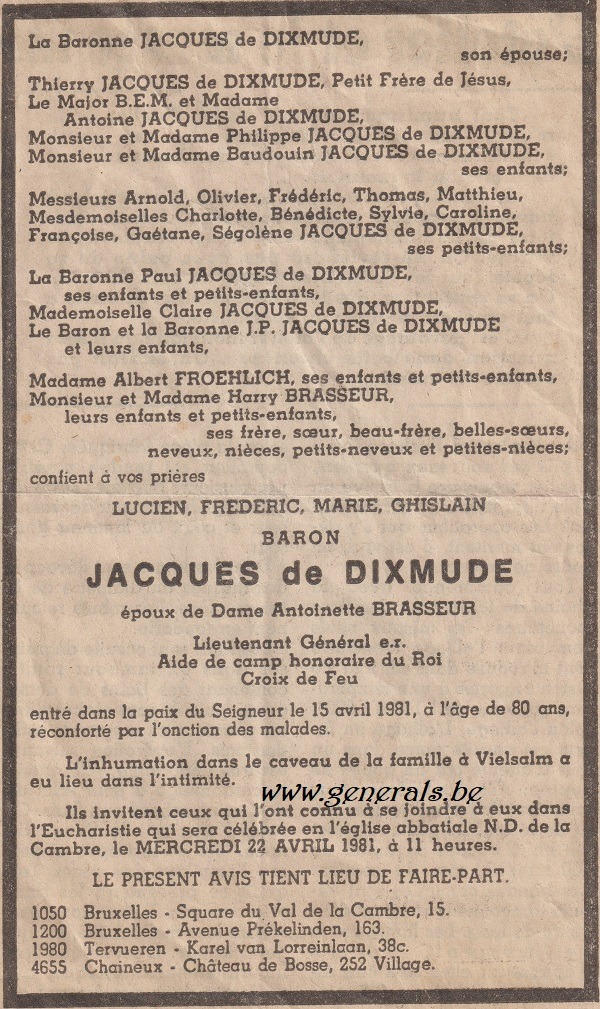
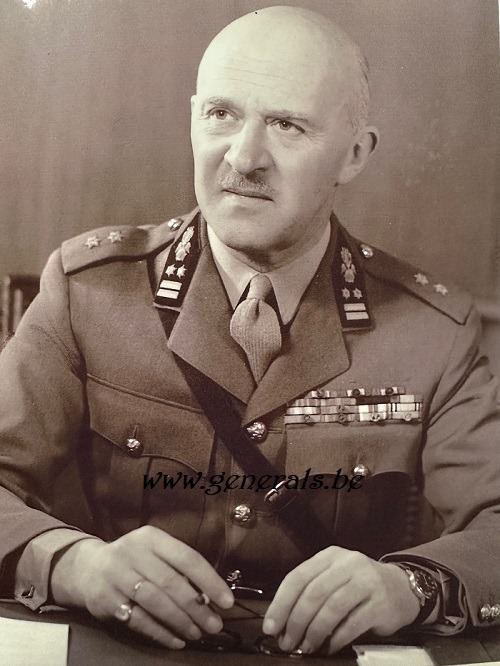
Lieutenant General Baron Lucien was born on 29 May 1900, the son of Baron Alphonse Jacques de Dixmude, who later became a hero of the First World War.
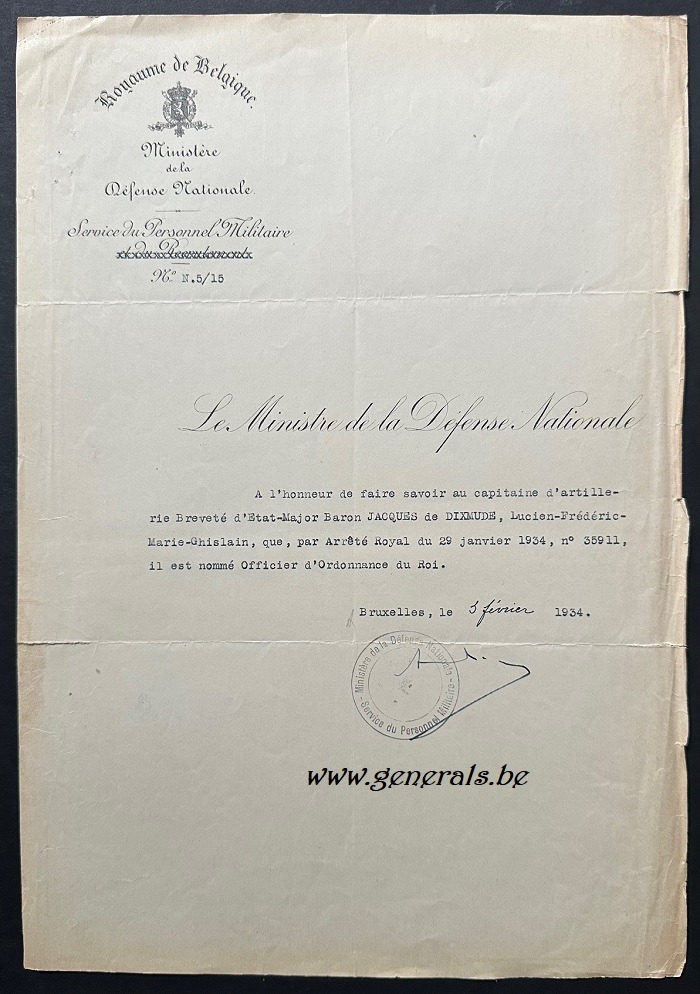
As a captain in the artillery, he was placed at the disposal of the King's military household on 31 October 1933 and became King Albert's Equerry on 29 January 1934.
In that capacity, it was he who, together with Chamberlain Van Dyck, found the body of King Albert in Marche-les-Dames.

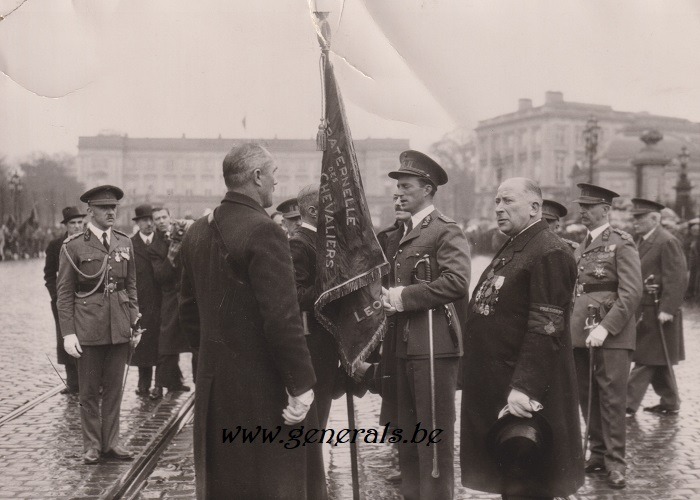
After these dramatic events, he remained in service as Equerry to the King Leopold III.
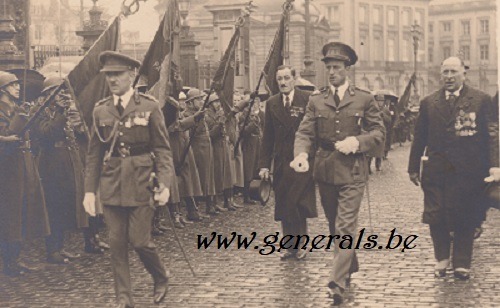
In 1939, he was assigned to the air defence staff and, in that capacity, took part in the campaign of May 1940.
After a brief period as a prisoner of war, he returned to Laeken, where King Leopold III was allowed to keep three Equerrys from the German occupying forces.
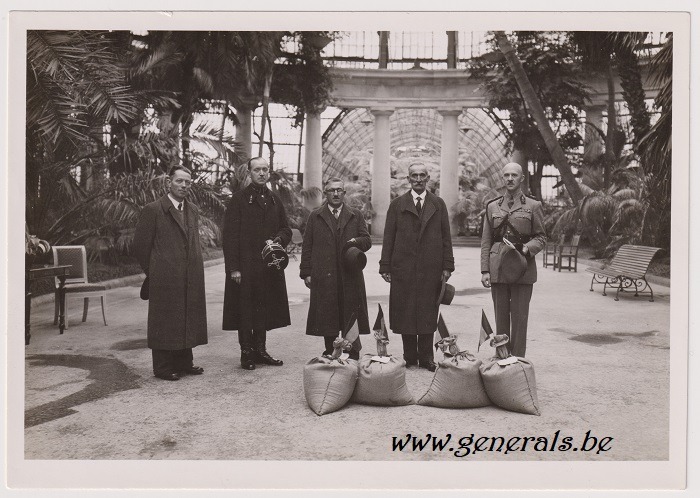
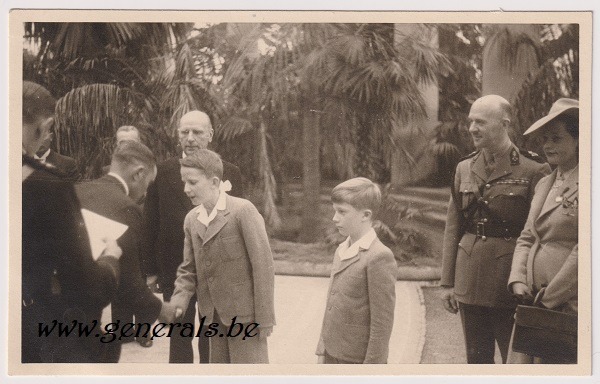
During the war, the commander, together with the other orderly officers and with the support of the king, set up various organisations. These included the ORAF (Office de renseignements et d’aide aux familles de militaires) and the AEP (Aide aux enfants de prisonniers).
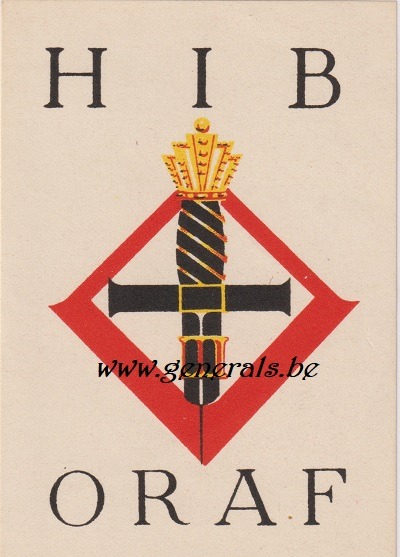
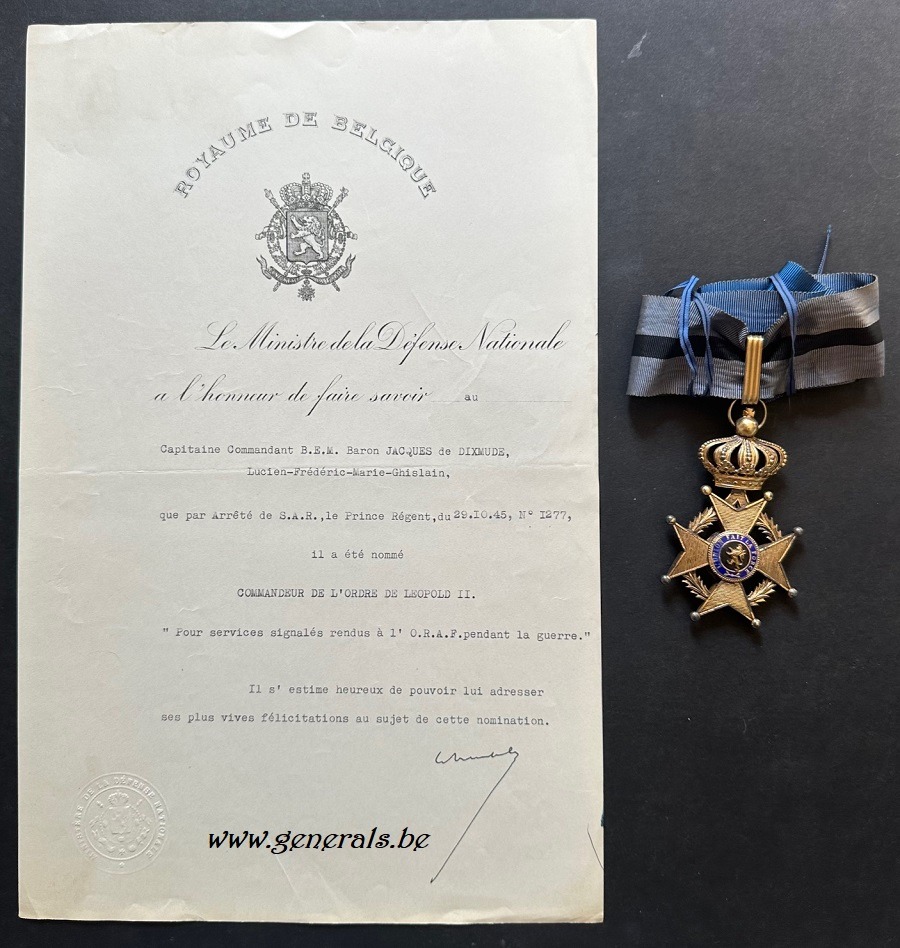
For his work with these organisations, he was awarded the Cross of Commander of the Order of Leopold II on 23 October 1946.
On 7 September 1944, the day of the Normandy landings, the king and his family were taken to Germany, with only Major Gierst allowed to accompany the royal family.
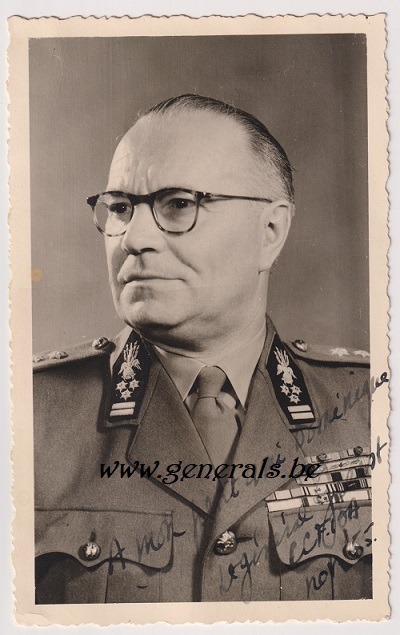
Enlisted in the 11th Ligne Regiment as a volunteer for the duration of the war, 21 June 1916.
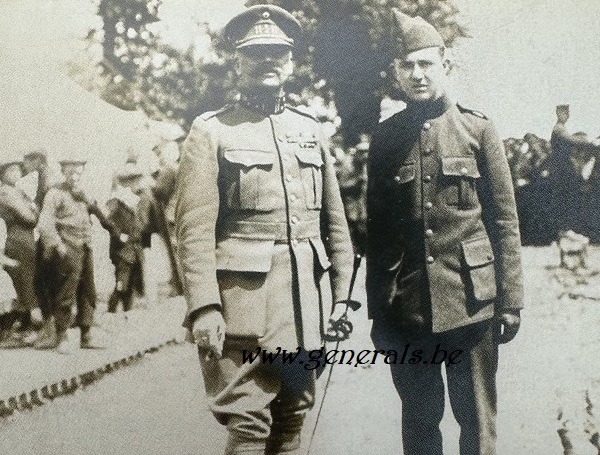
Corporal, 22 August 1916.
Sergeant, 21 December 1917.
Seconded to the training centre for auxiliary infantry second lieutenants as a cadet, 22 May 1919.
Adjutant, 25 May 1919.
Re-enlisted for one year, 4 December 1919.
Transferred to the 14th Ligne Regiment, 19 January 1920.
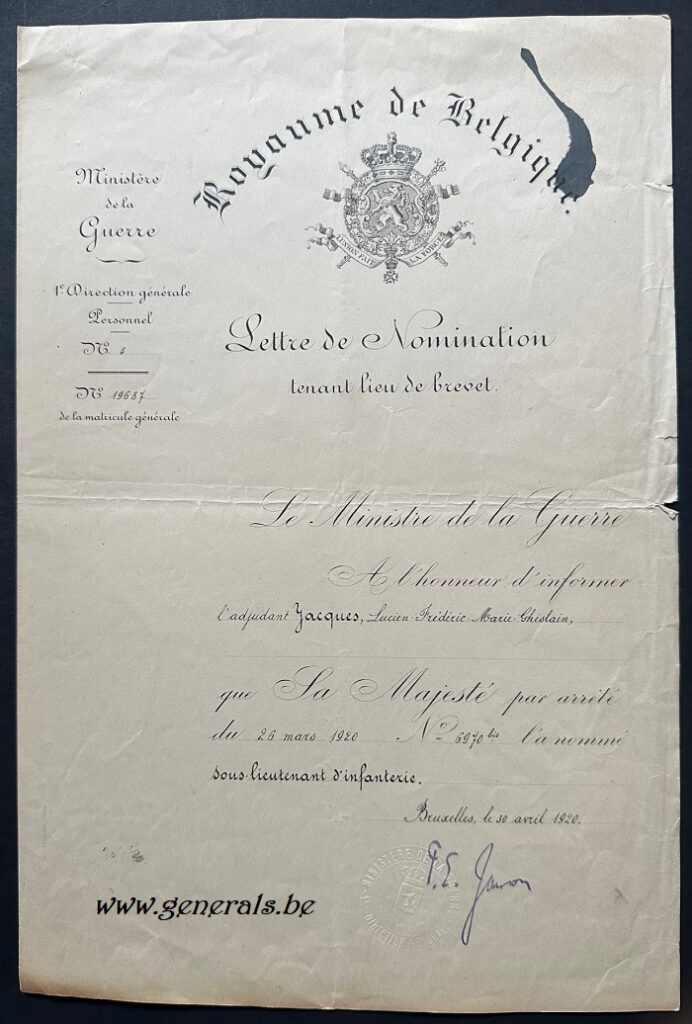
Second Lieutenant, 26 March 1920.
Seconded to the Military Institute of Physical Education, 3 March 1921.
Returned to the regiment, 24 February 1922.
Lieutenant, 26 March 1923.
Transferred to the 9th Line Regiment, 5 December 1923.
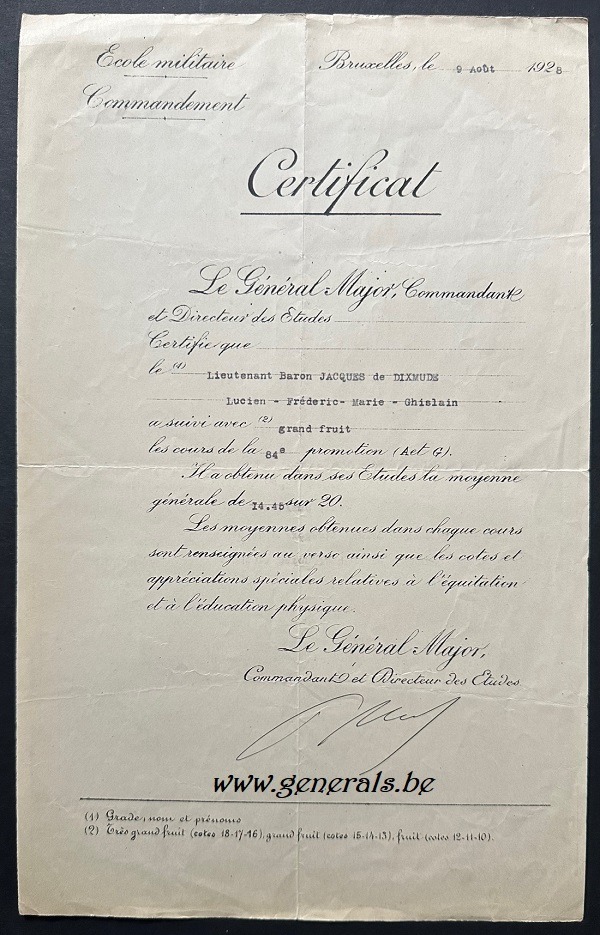
Transferred, at his own request, to the Artillery, retaining his rank and seniority, 24 July 1928.
Captain, 26 June 1931.
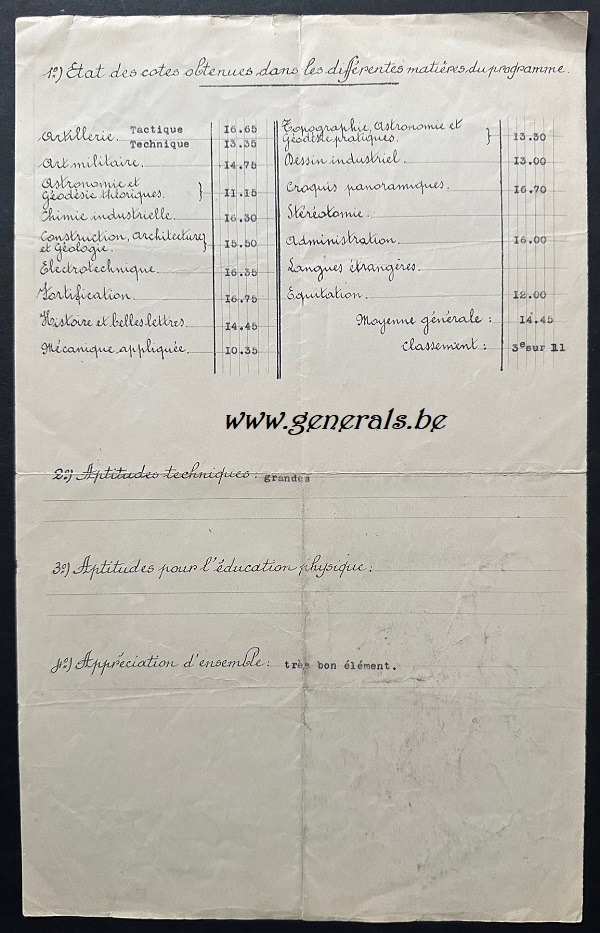
Admitted to the War College, 8 August 1931.
Seconded to the Royal Military Academy to complete his studies, 29 December 1933.
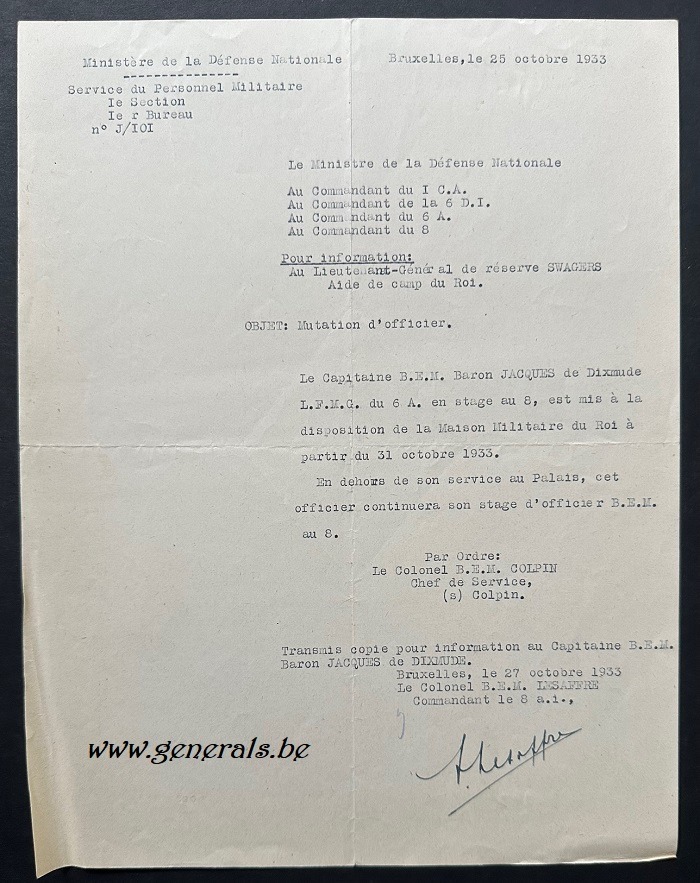
On secondment to the Army Artillery Brigade from 28 September to 4 October 1933 and to the 8th Ligne Regiment from 5 October 1933 to 1 September 1934.
Granted staff officer status, 11 September 1933.
Placed at the disposal of the King’s Military Household from 31 October 1933, 25 October 1933.
Equerry to the King, 29 January 1934.
Assigned to the 6th Artillery Regiment whilst remaining an Equerry to the King, 25 August 1934.
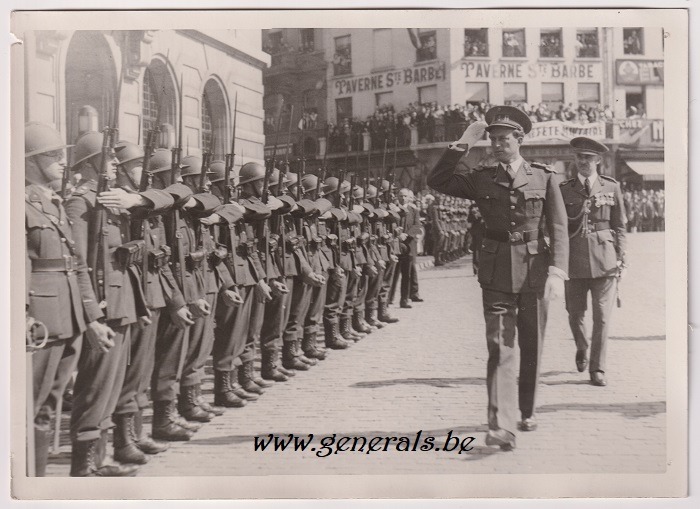
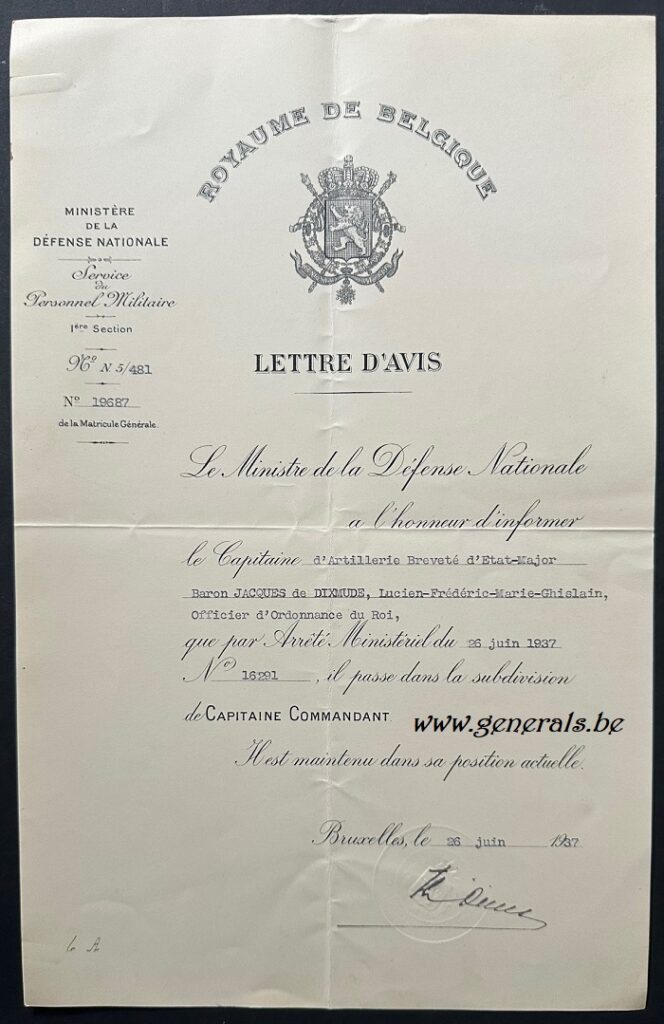
Senior Captain, 26 June 1937.
Appointed to the Commander of the Territorial Anti-Aircraft Guard, 26 June 1939.
Taken prisoner by the Germans, 28 May 1940.
Remained on duty at Laeken Palace as an Equerry to the King, 29 May 1940.
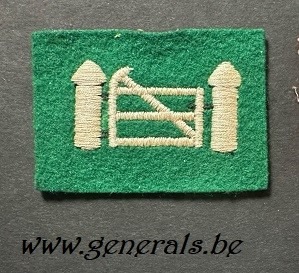
Appointed to the 2nd Infantry Brigade and as GSO3, 13 December 1944.
Appointed as Brigade Major to the 2nd Yser Brigade, 25 April 1945.

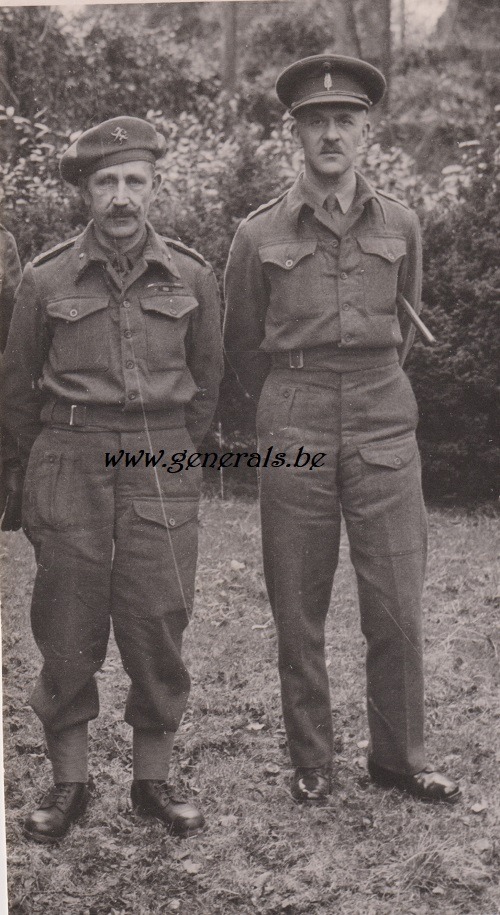
Major, 28 March 1946.
Appointed to the 6th Artillery Regiment, 12 April 1946.
Appointed to command the Artillery Officer Cadet School, 16 October 1946.
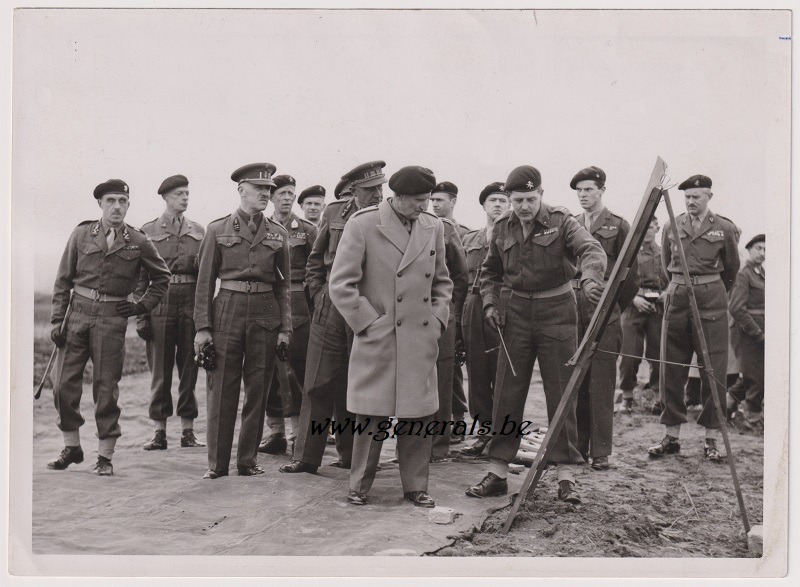
Appointed to the General Staff, Section A, 17 June 1947.
Lieutenant Colonel, 26 December 1947.
Appointed Head of Section A at the General Staff, 23 August 1948.
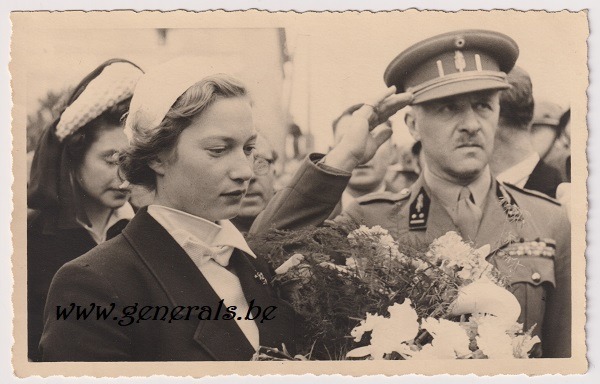
Colonel, 26 December 1949.
Relieved of his duties as ordonnance officer to the King, 10 August 1950.
Attached to the Supreme Headquarters Allied Powers Europe as Section Chief, 31 January 1951.
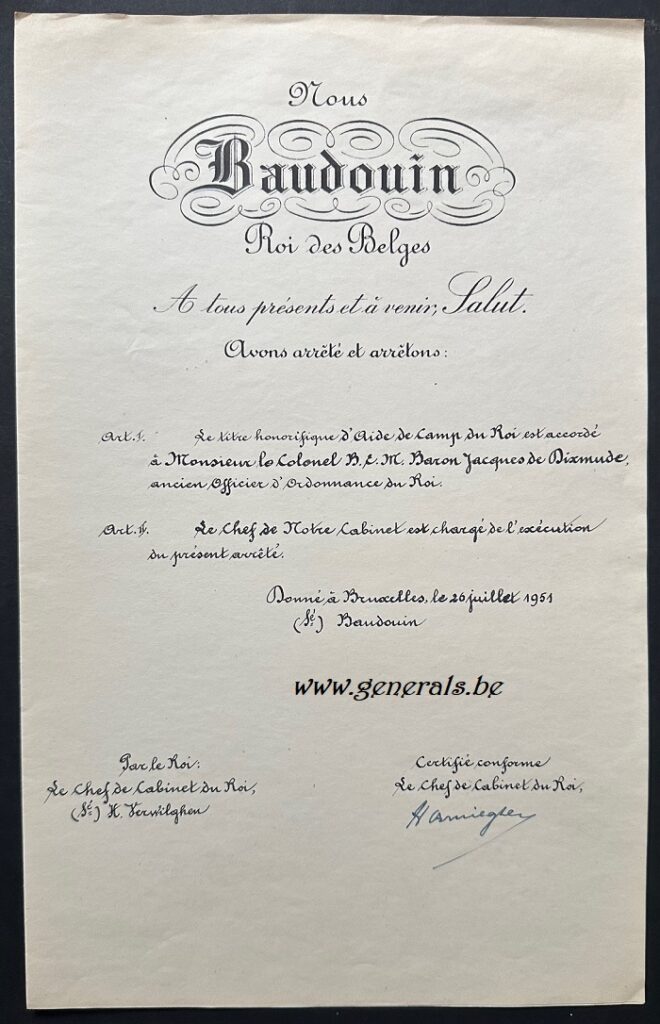
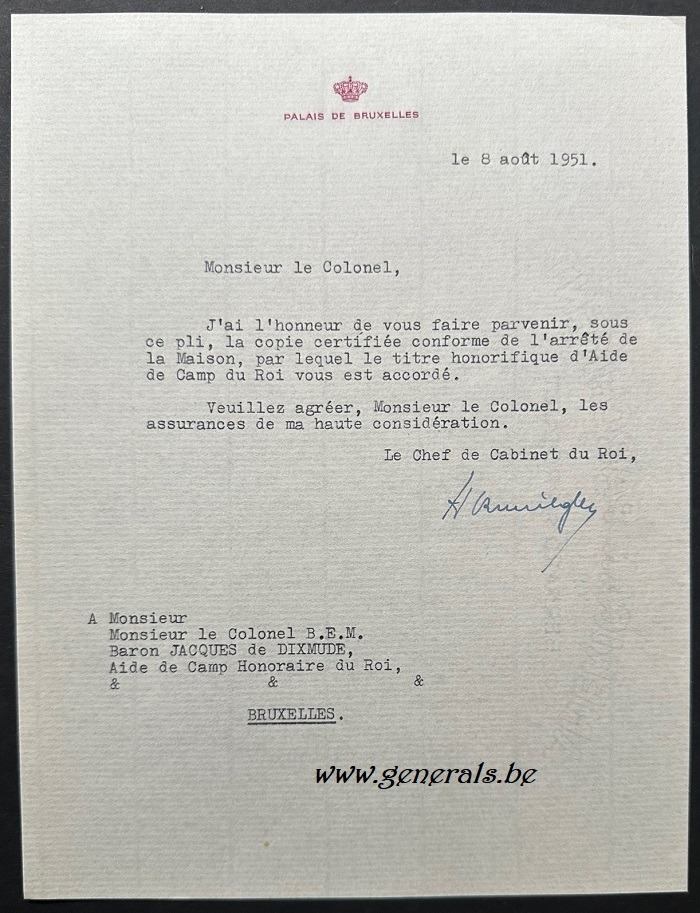
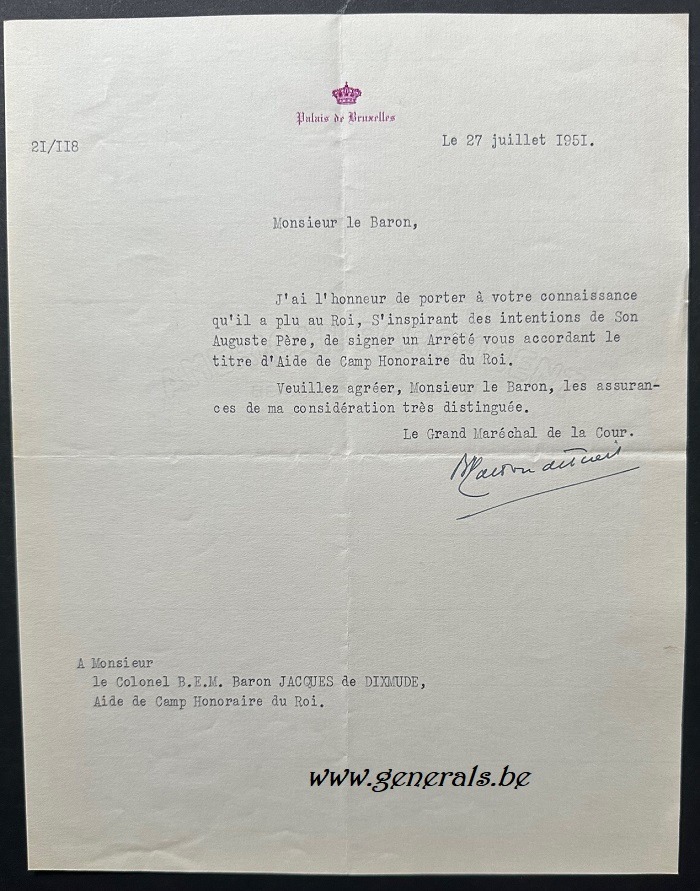
Honorary aide-de-camp to the King, 27 July 1951.
Major General, 26 March 1953.

Commander of the 1st Infantry Division, 30 December 1954.
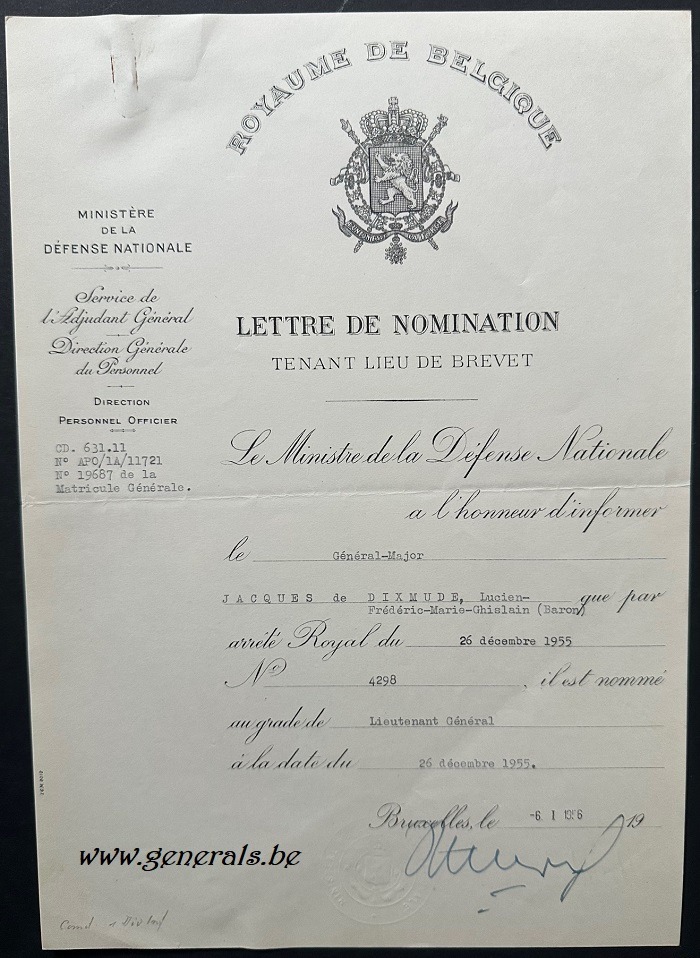
Lieutenant General, 26 December 1955.

Appointed Inspector General of the Artillery and, concurrently, Commander of the 2nd Corps, 1 April 1956.
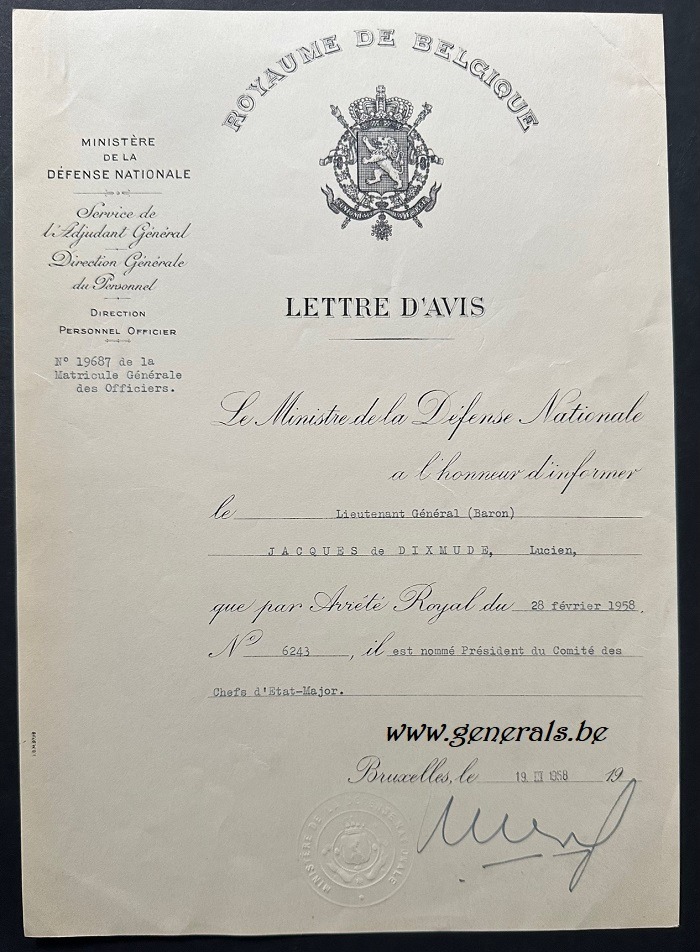
Appointed Chairman of the Chiefs of Staff, whilst retaining his current posts as Inspector General of Artillery and Commander of the 2nd Corps, 28 February 1958.
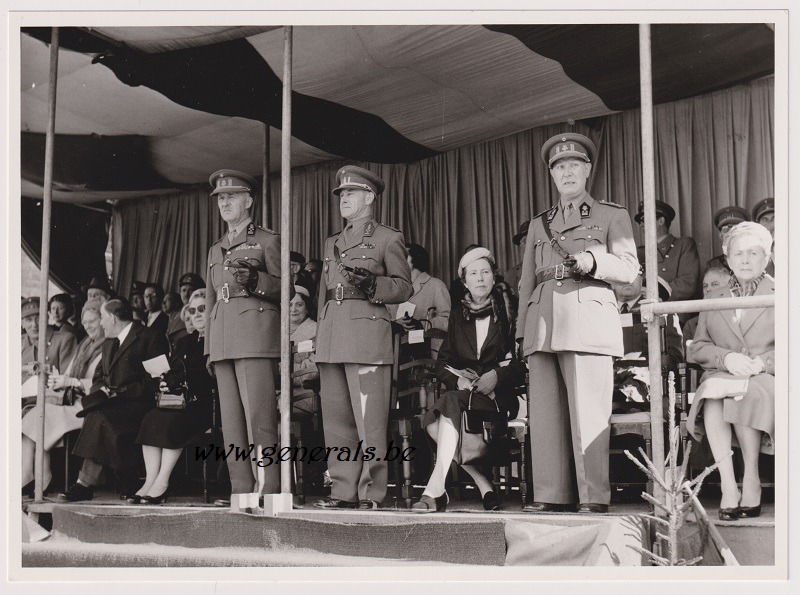
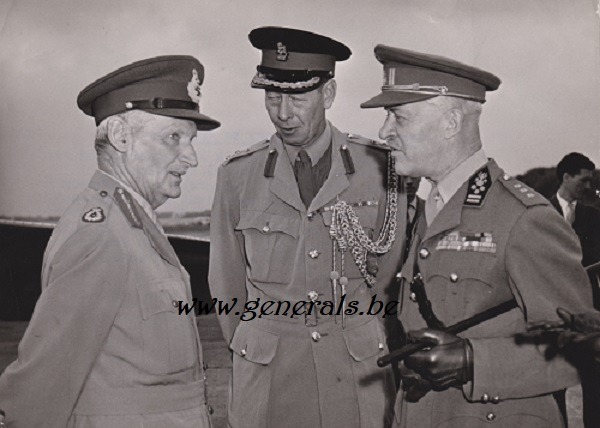
Retired, 1 April 1960.
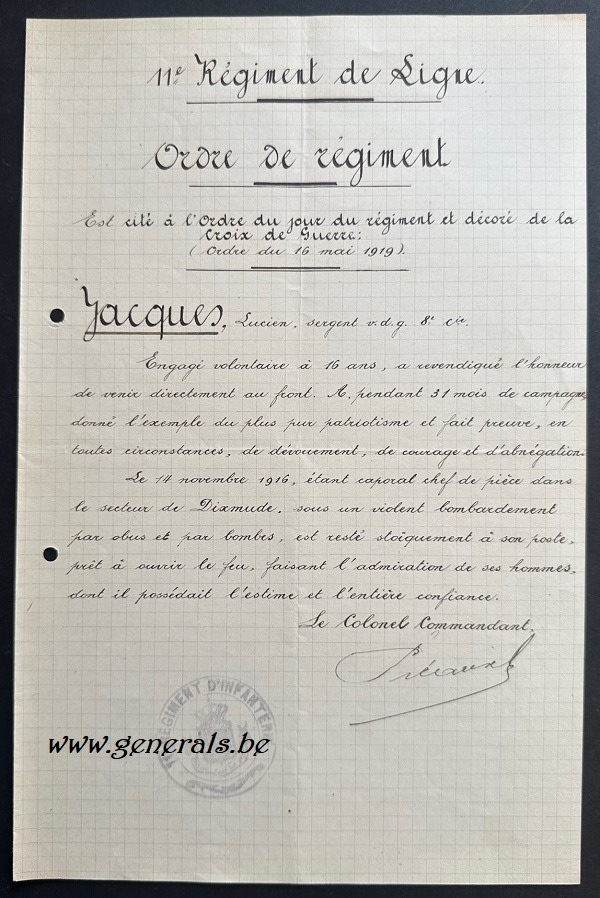
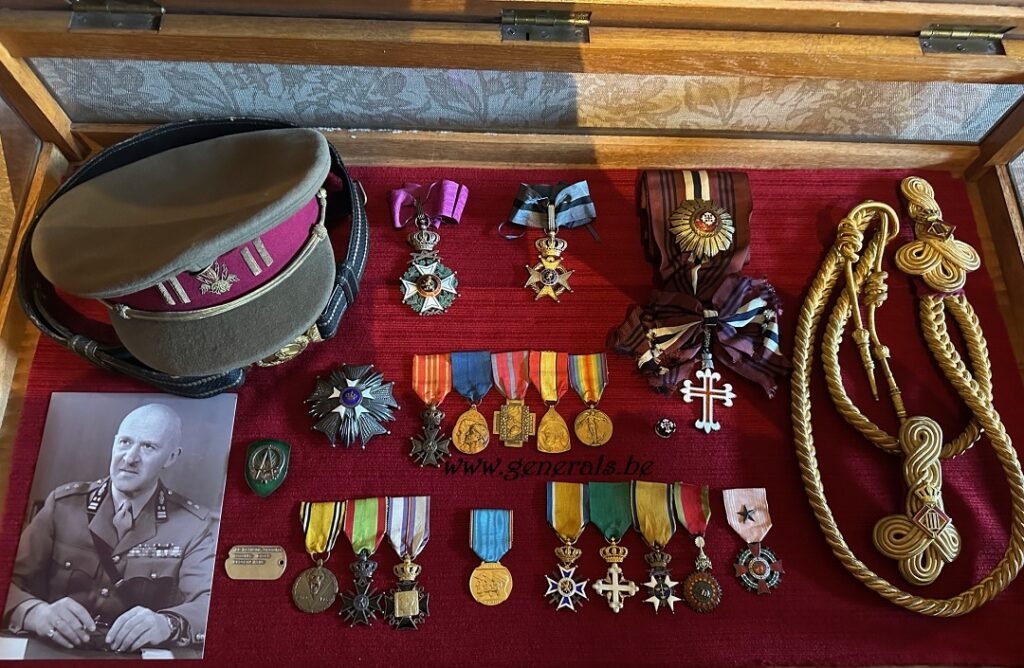
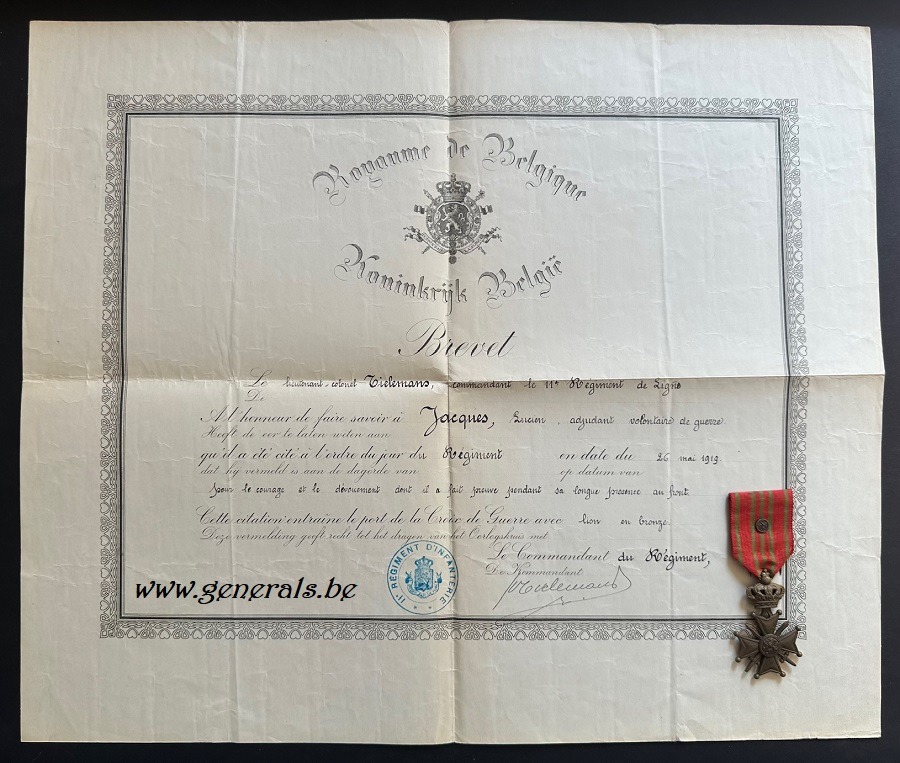
War Cross 1914–1918 with bronze lion, 26 May 1919.
Victory Medal, 20 September 1919.
Commemorative Medal of the 1914–1918 Campaign, 20 September 1919.
Volunteer’s Medal 1914–1918, 27 December 1930.

Knight of the Order of the Crown, 8 April 1932.
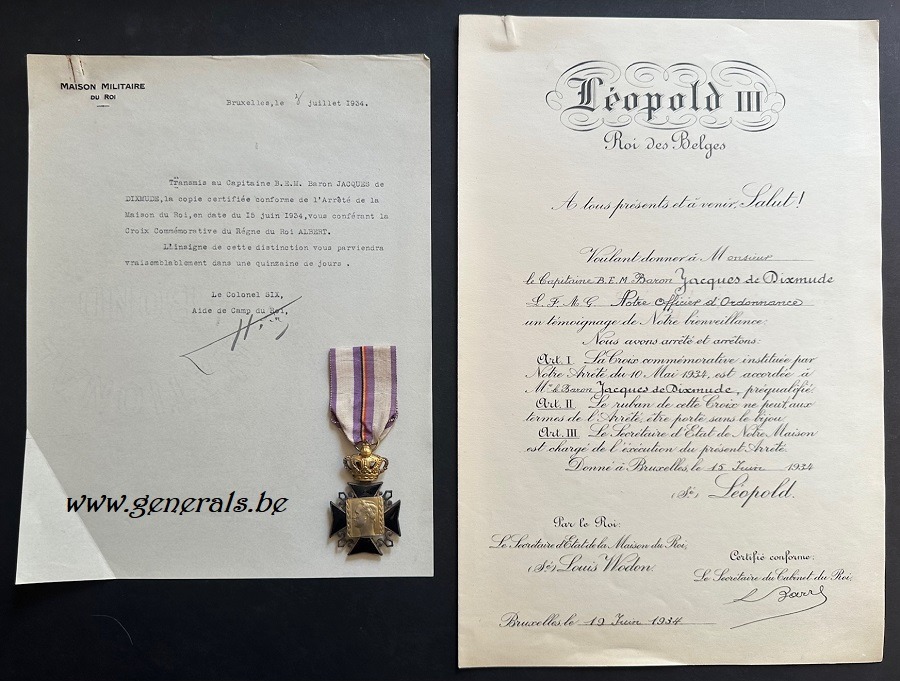
Commemorative Cross of the House of King Albert, 15 June 1934.
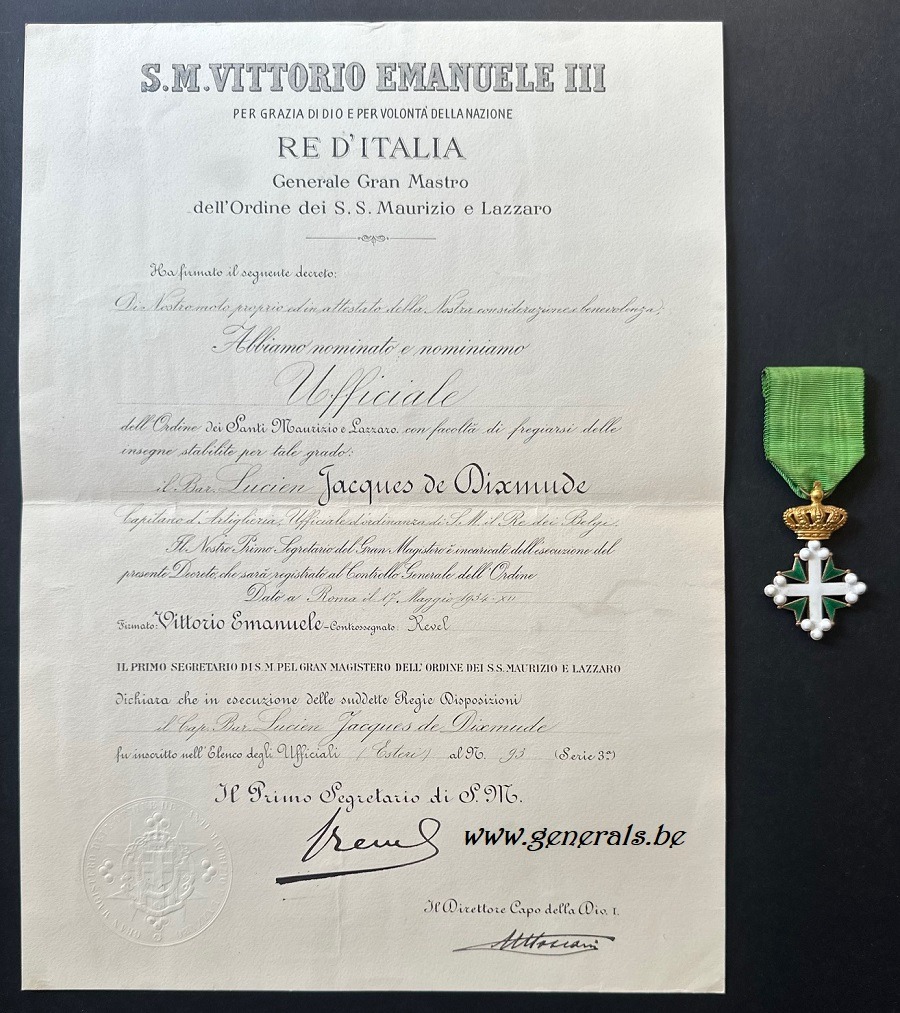
Officer of the Order of St Maurice and St Lazarus, Italy, 17 May 1934.
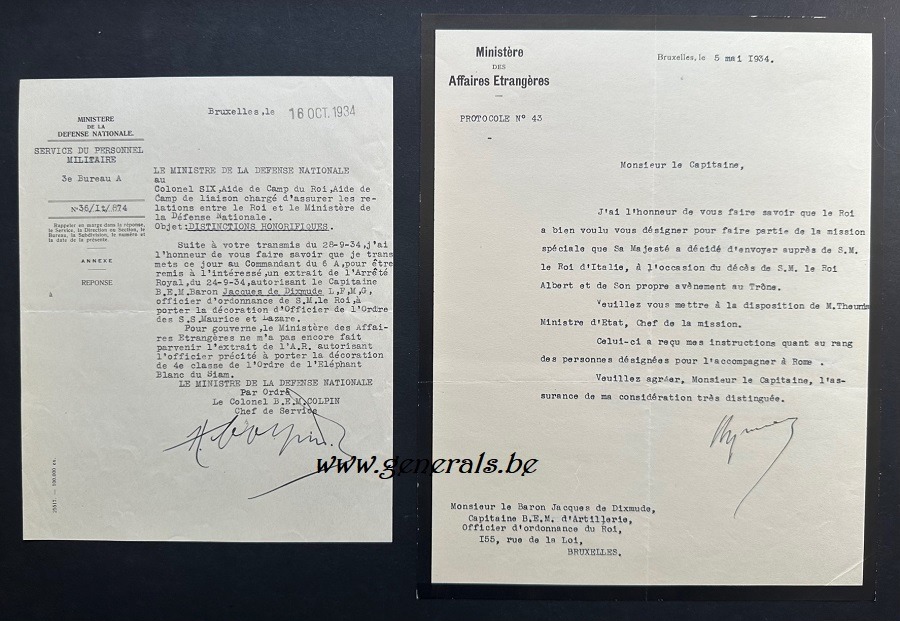
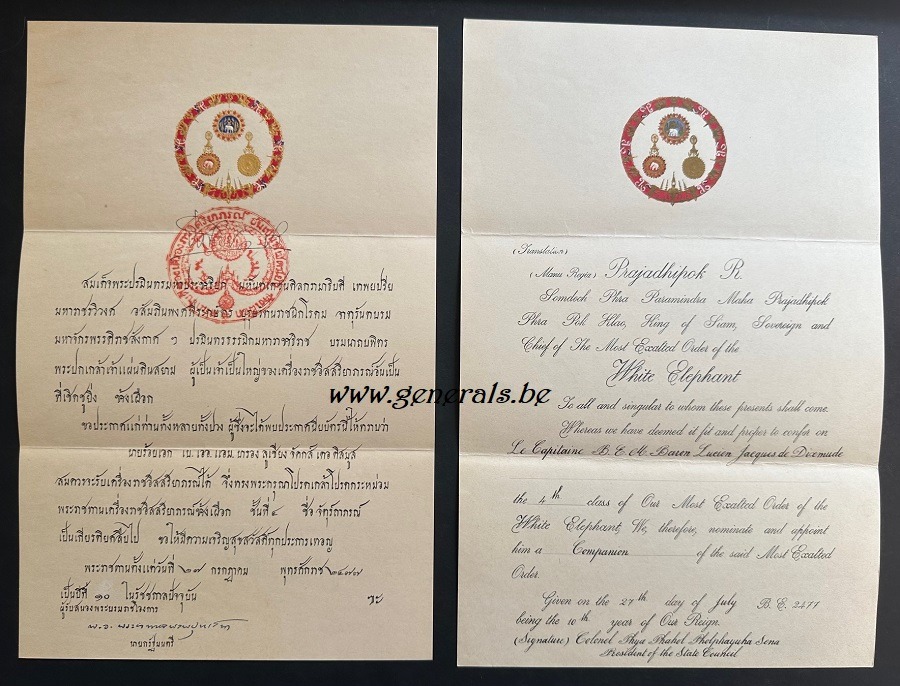
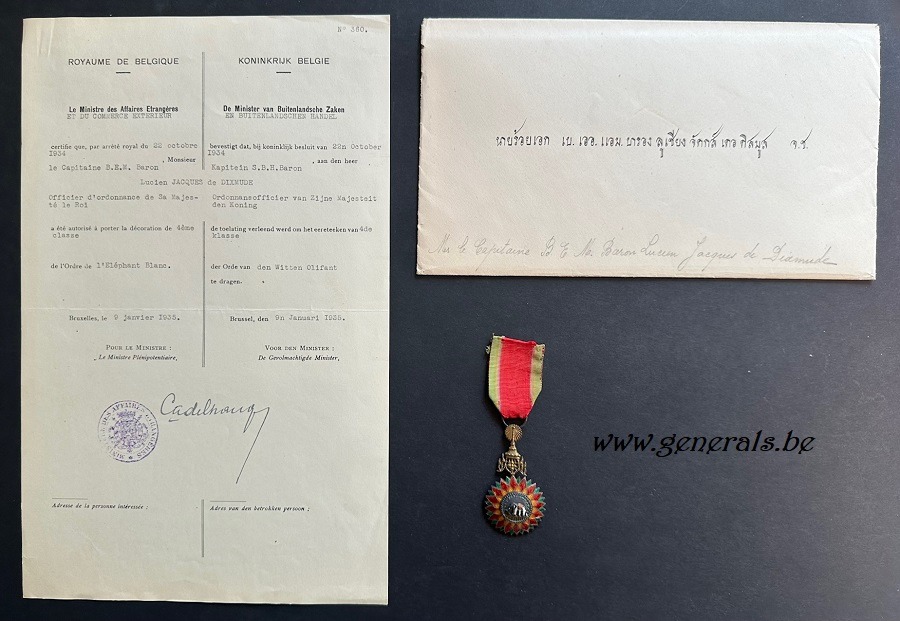
Officer of the Order of the White Elephant, Siam, 27 July 1934.
Fire Cross, 21 July 1936.
Knight of the Order of Leopold, 15 November 1936.
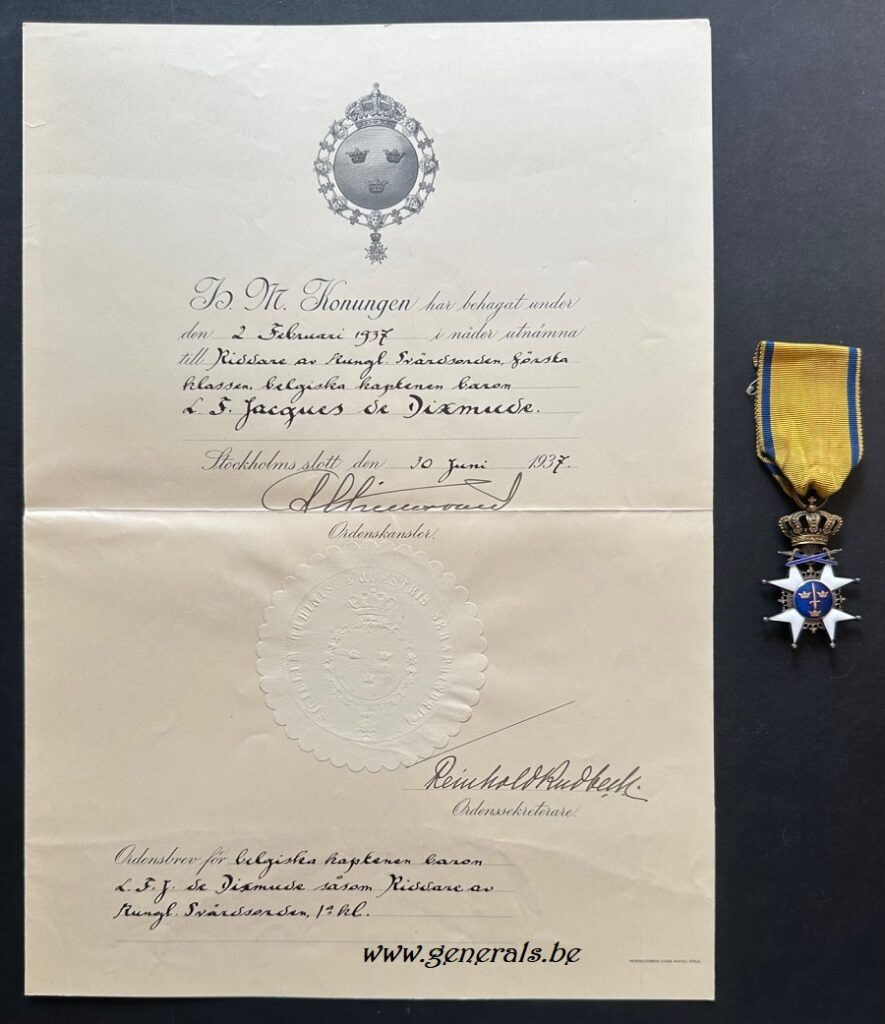
Officer of the Order of the Sword, Sweden, 2 February 1937.
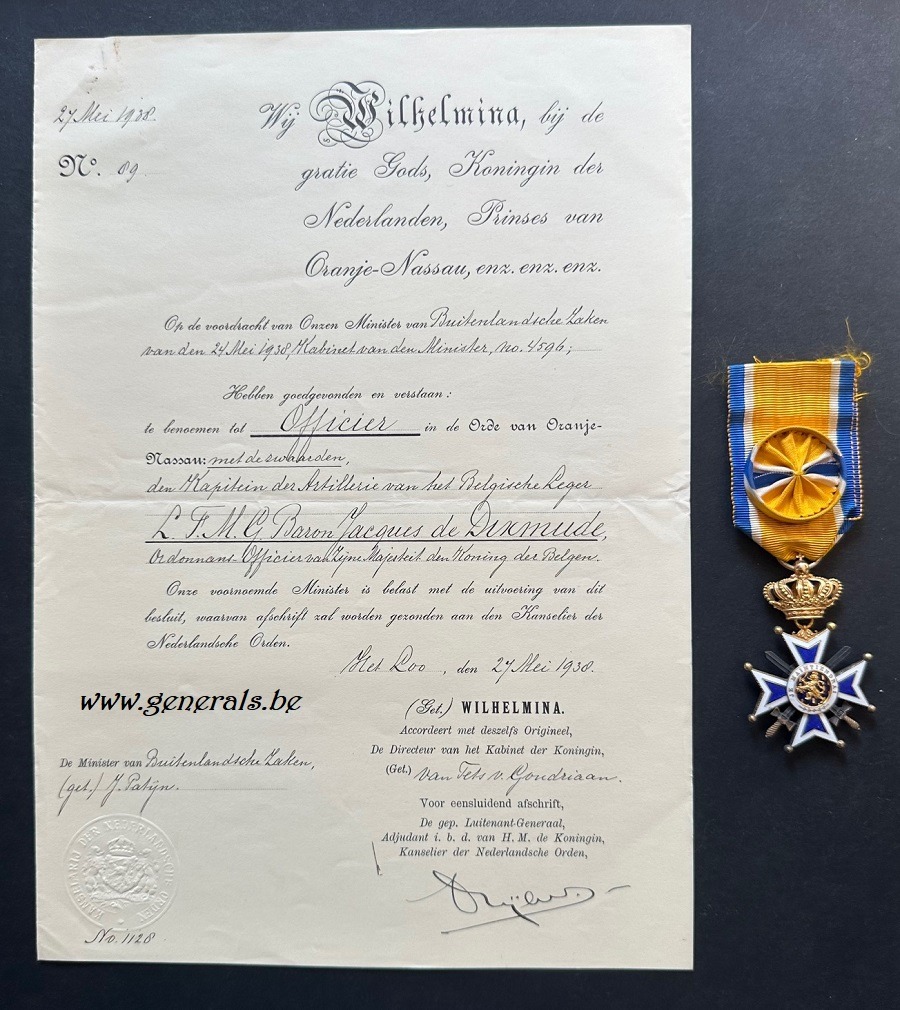
Officer of the Order of Orange-Nassau, Netherlands, 24 May 1938.
Officer of the Order of the Crown, 8 April 1941.
Officer of the Order of Leopold, 8 April 1945.
Commander of the Order of Leopold II, 29 October 1945.
Military Cross 1st Class, 15 November 1945.
Commemorative Medal 1940–1945 with crossed sabres, 18 May 1946.
Officer of the Order of Leopold, 15 November 1948.
Commander of the Order of the Crown, 8 April 1950.
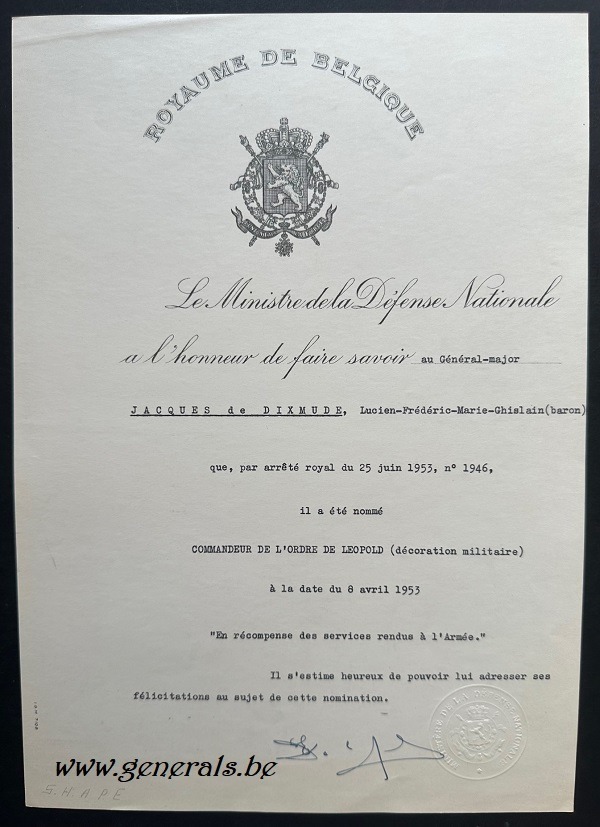
Commander of the Order of Leopold, 25 June 1953.
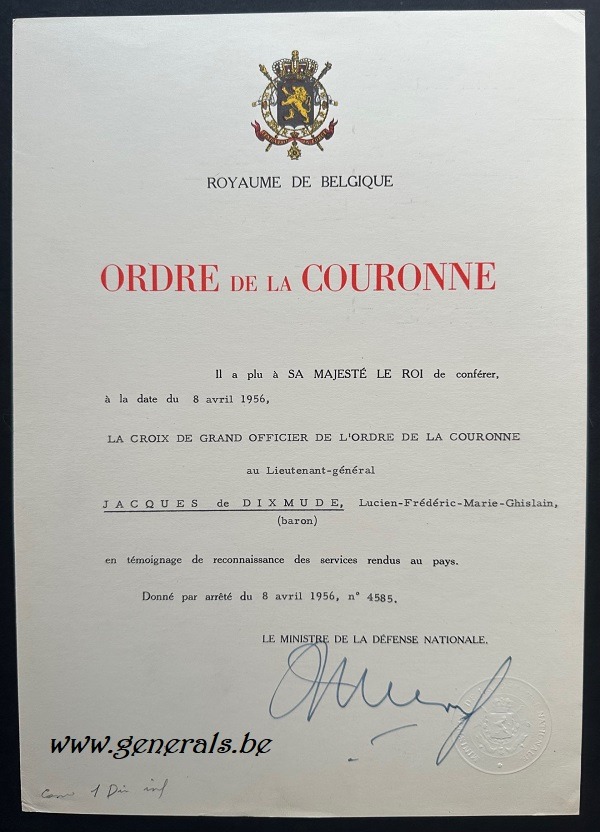
Grand Officer of the Order of the Crown, 8 April 1956.
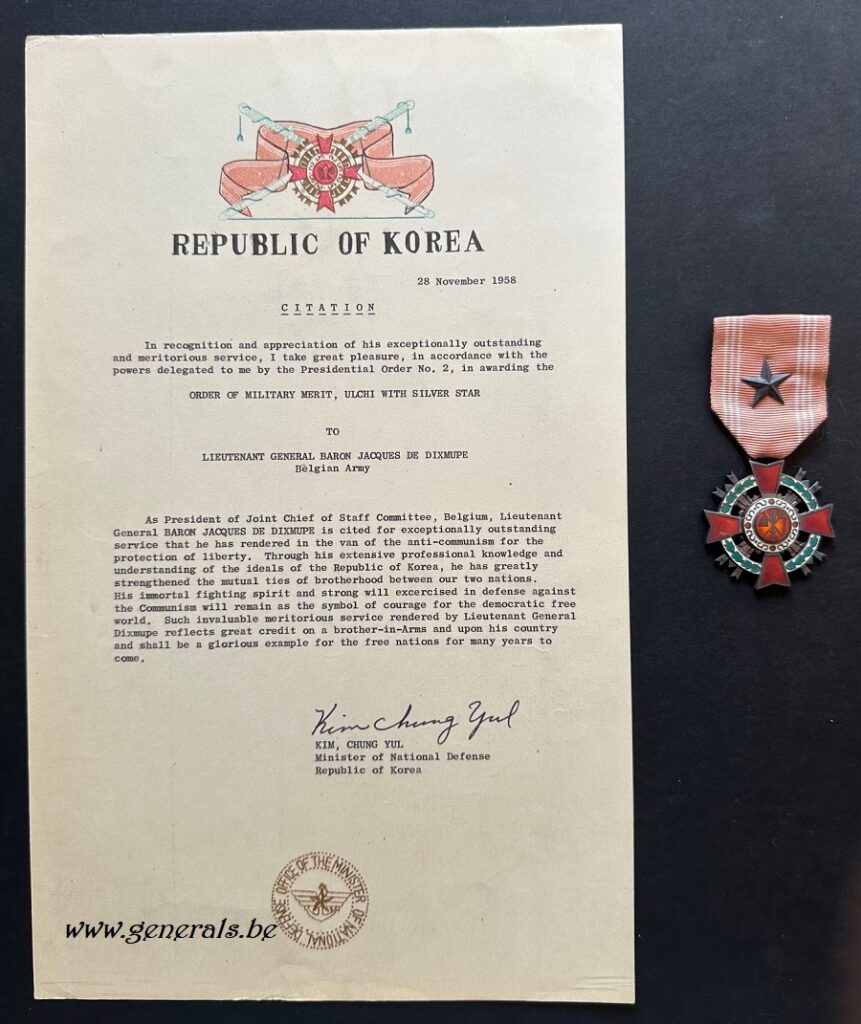
Order of Military Merit Ulchi with Silver Star, South Korea, 28 November 1958.
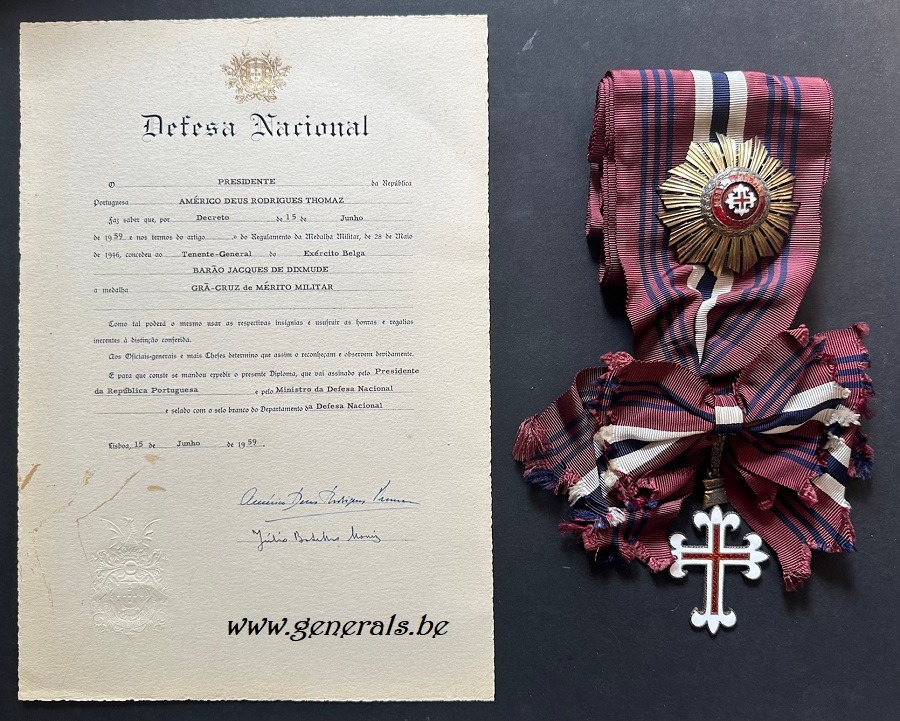
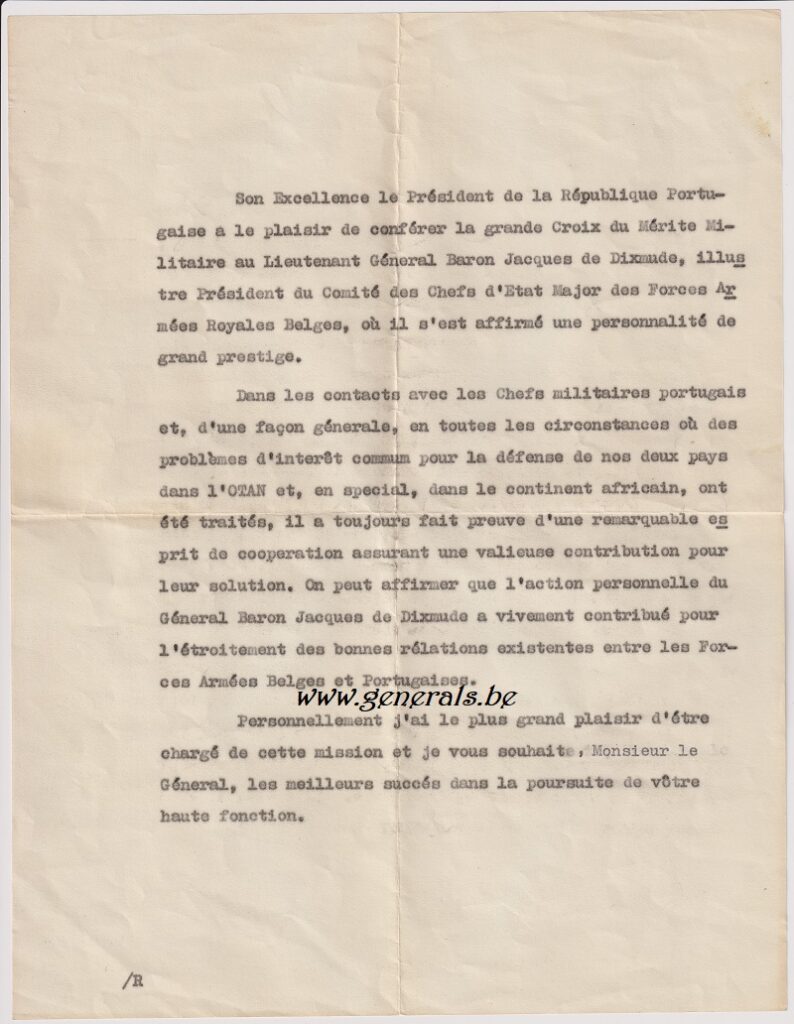
Grand Cross of the Order of Military Merit, Portugal, 15 June 1959.