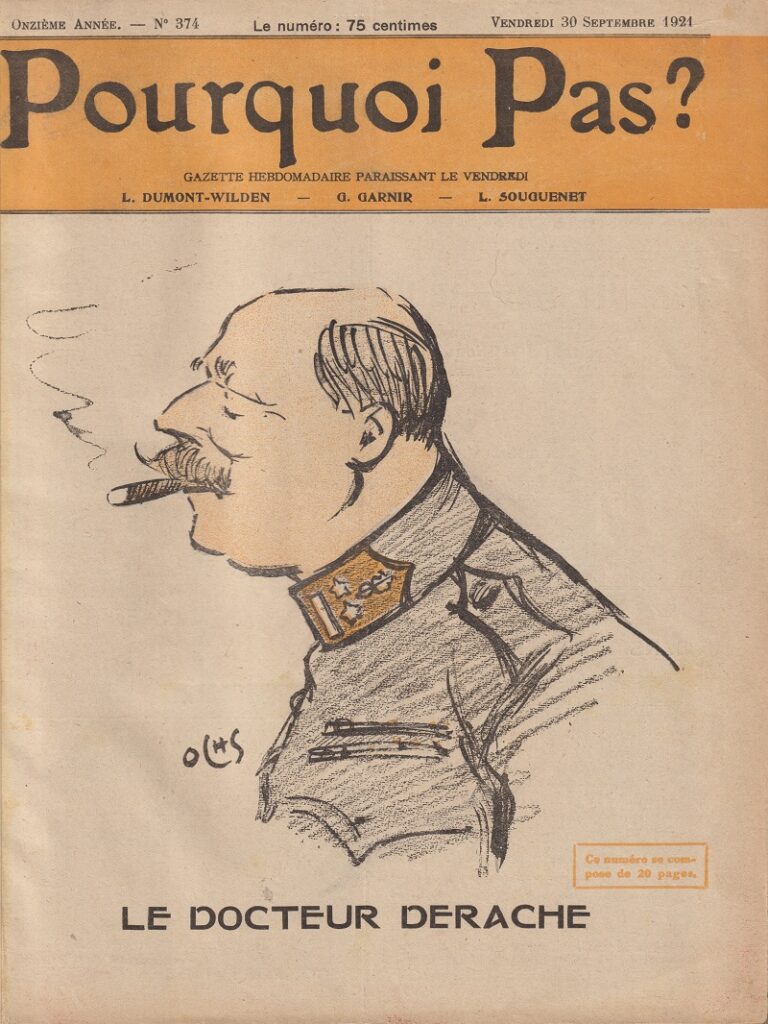
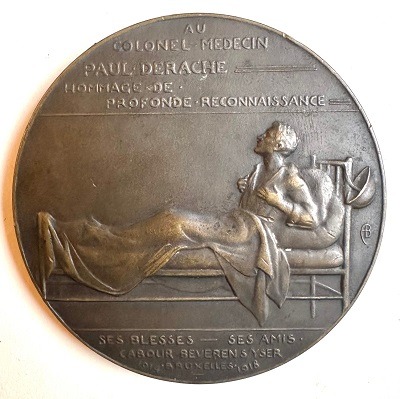
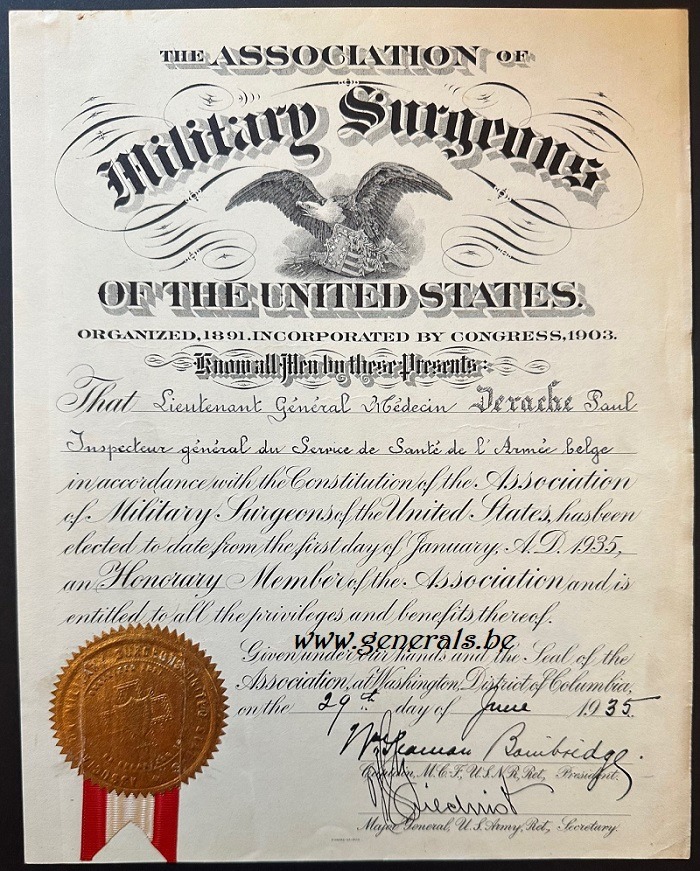
Paul Derache was a talented surgeon and an efficient leader with a great concern for humanity. He earned his spurs during the Battle of the Yser and as director of military hospitals.
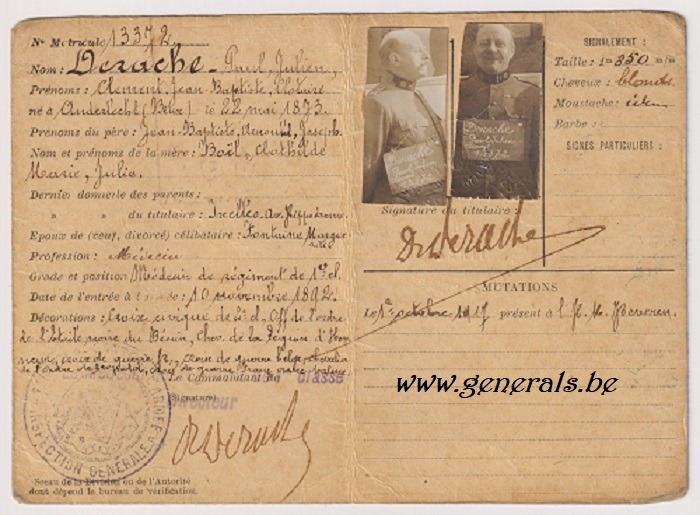
After studying at the University of Brussels, he joined the military hospital in Brussels as a trainee doctor in 1892.

In 1902.
At the outbreak of the First World War, he was a doctor with the 1st Artillery Regiment, before becoming co-organiser and director of the following well-known hospitals during the First World War:
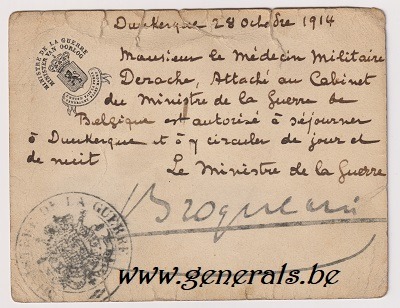
Director of Fort Louis Military Hospital (1914–1915). At the start of the war, he ran this hospital in Dunkirk, where he quickly stood out for his efficiency as a surgeon and organiser.
Director of the Cabour Military Hospital (1915–1917). Under his leadership in Adinkerke, a remarkably low mortality rate of 6.8% was achieved, which was exceptional for a frontline hospital at the time.
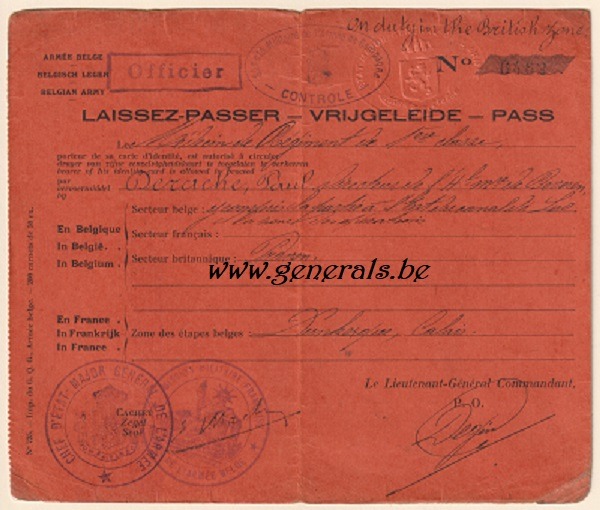
Director of the Military Hospital in Beveren-aan-de-IJzer (1917–1918). He was tasked with setting up this new hospital, where he supervised a team of 12 doctors and 150 staff members. During the First World War, the hospital was known as a “medical miracle” because of the exceptional survival rates of the wounded. It was founded in March 1917 under the leadership of Dr Paul Derache. Between 1917 and the final offensive in 1918, approximately 8,000 frontline soldiers were treated there.
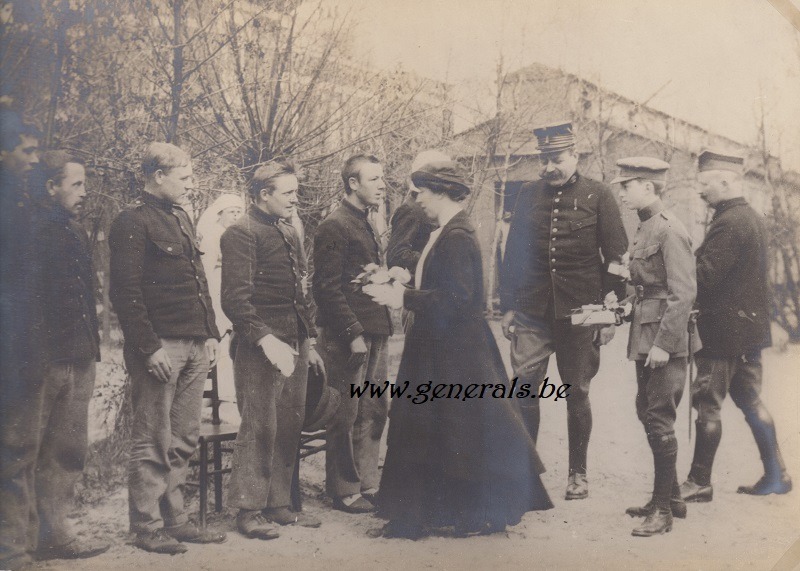
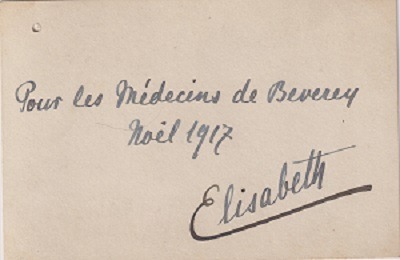
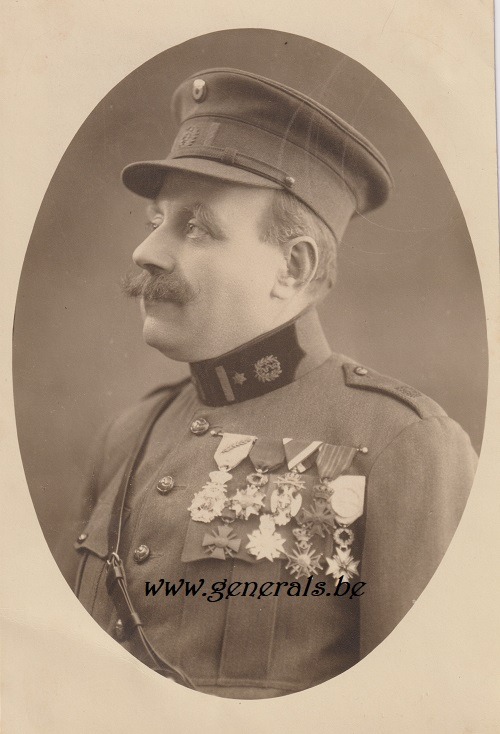
Just after the First World War.
Derache implemented several improvements that dramatically increased soldiers' survival rates:
Radiology at the front: He implemented fixed and mobile X-ray equipment to accurately locate projectiles for surgery.
Hygiene and sterilisation: The operating theatres in his hospitals were modernly equipped with central heating and strict protocols for cleaning wounds to prevent infections.
Speed of evacuation: By placing his hospitals at strategic distances (approx. 9 km) from the front, the wounded could often be treated within 3 hours.
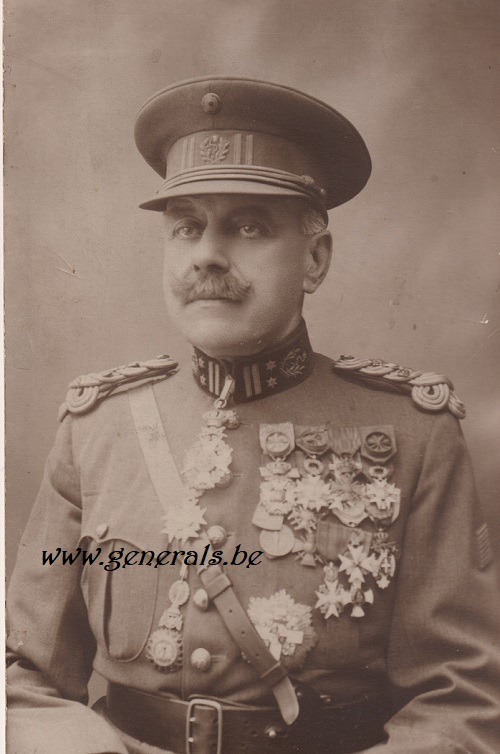
Major-general, 1929.
He ended his brilliant career as Inspector General of the Belgian Army Medical Service.
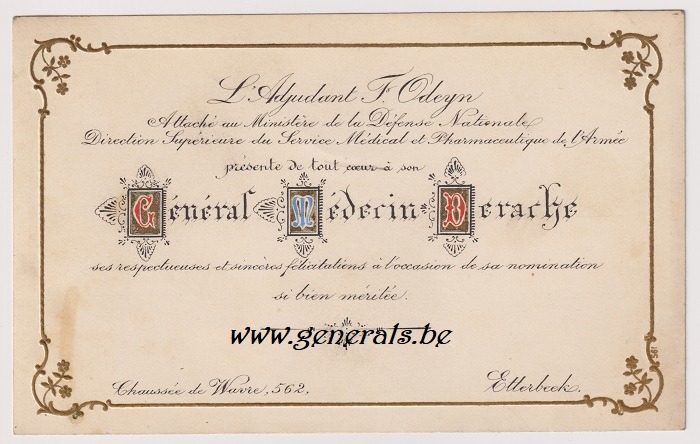
Felicitations at his nomination as inspector general.
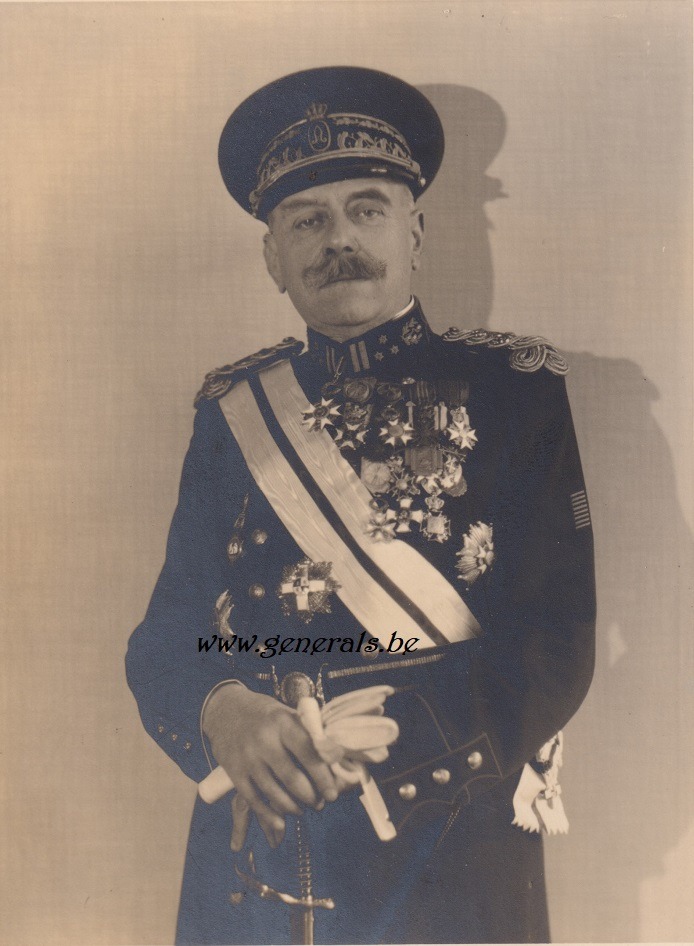
From 1910 until his death, he was also physician to the King's Household.
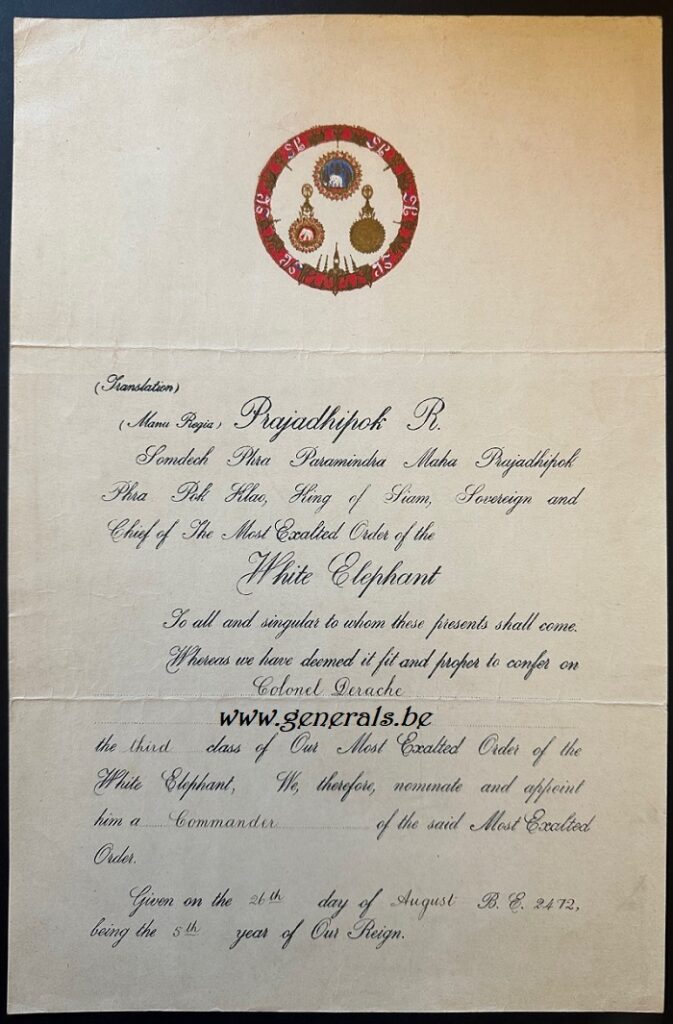
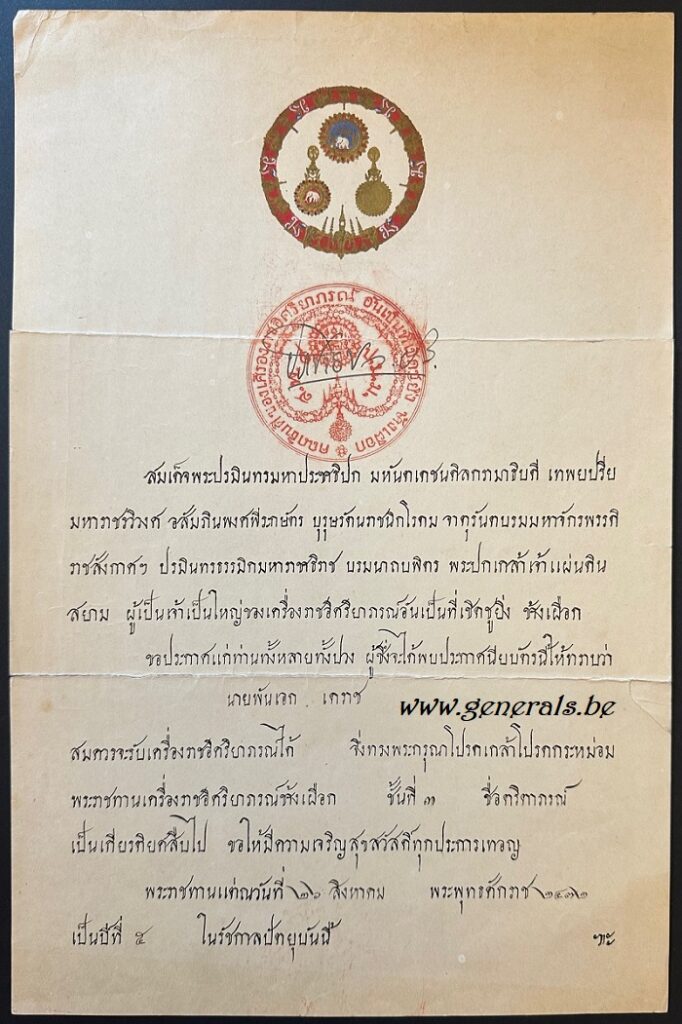
Commander Orde of the White Elephant Thailand, 1930.
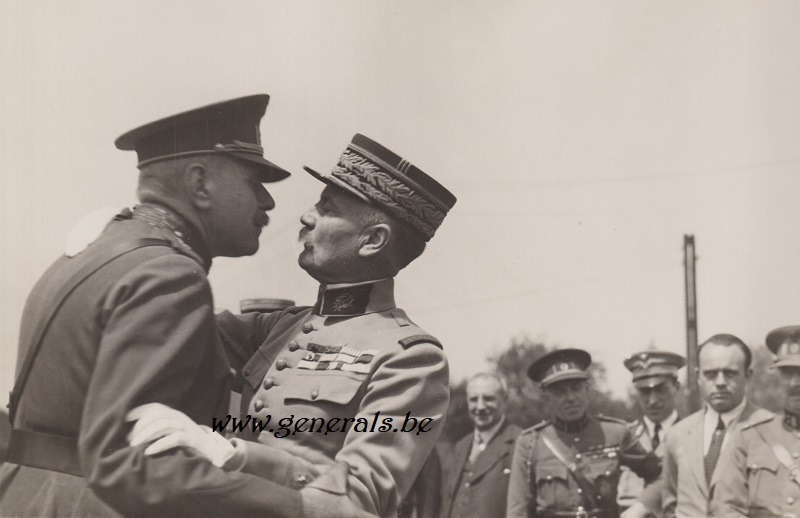
Appointment and congratulations to Commander of the Legion of Honour, 1934.