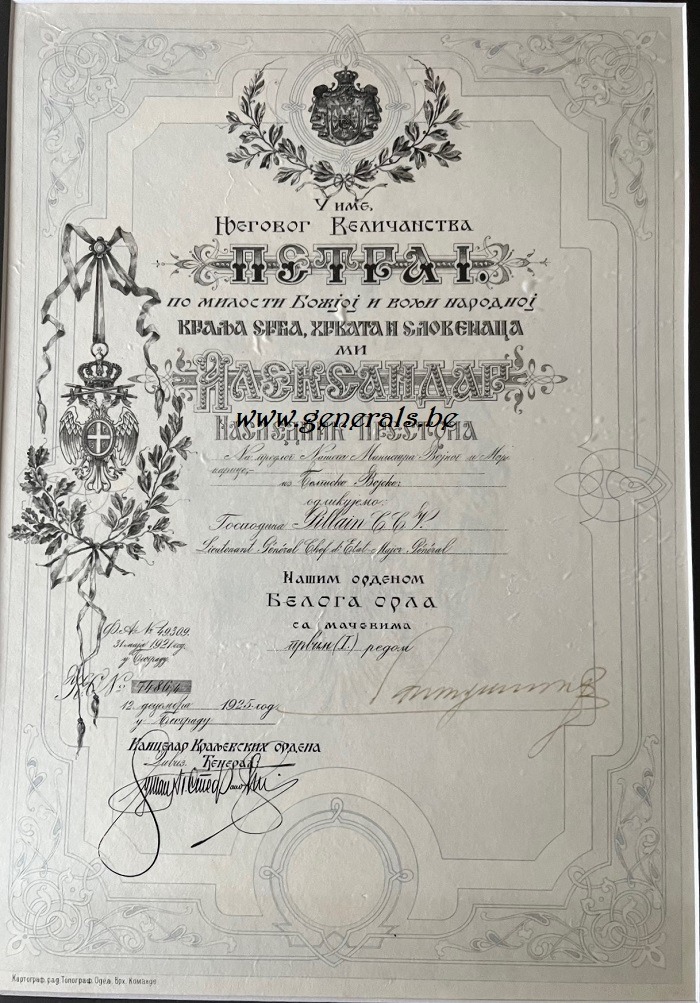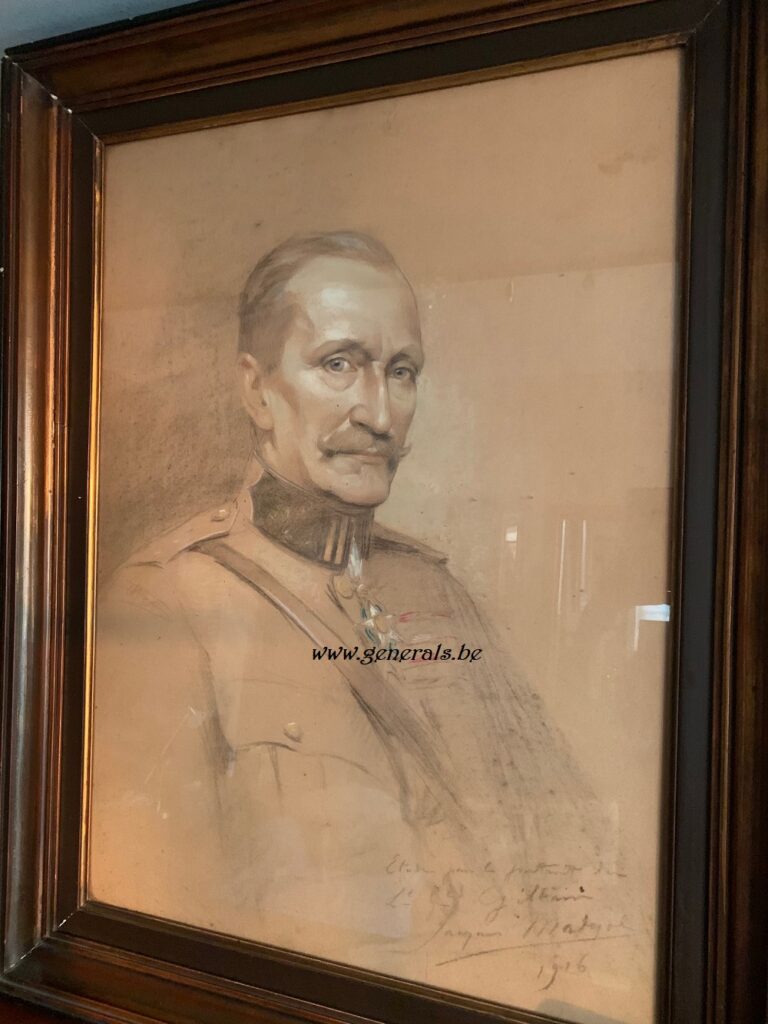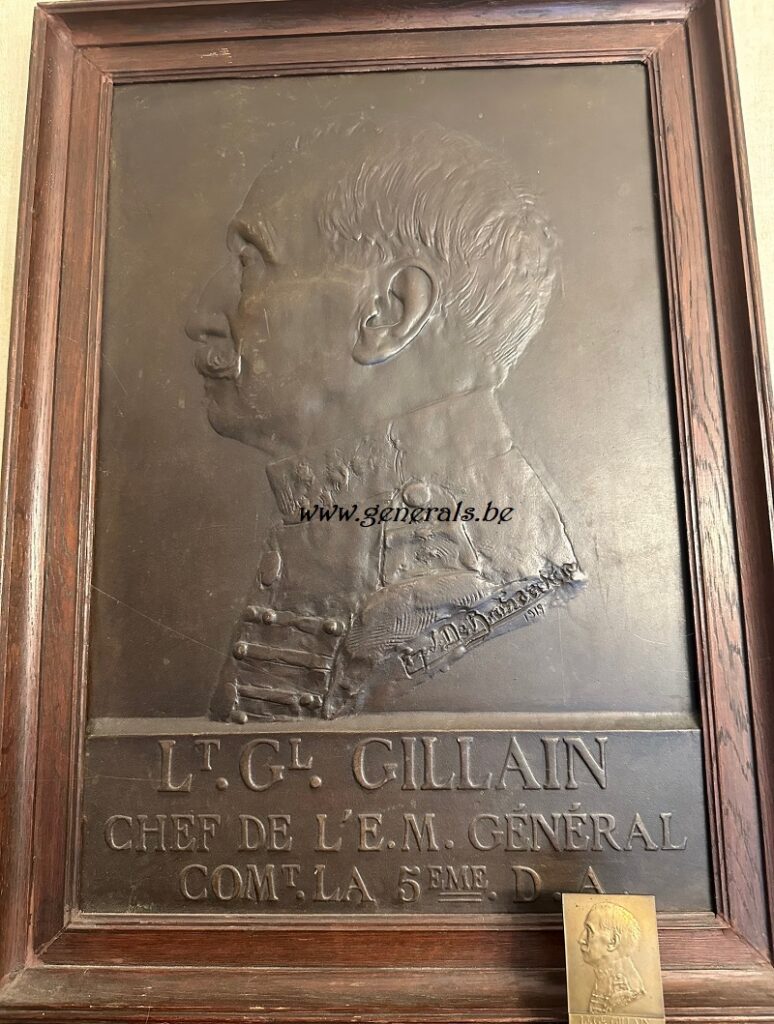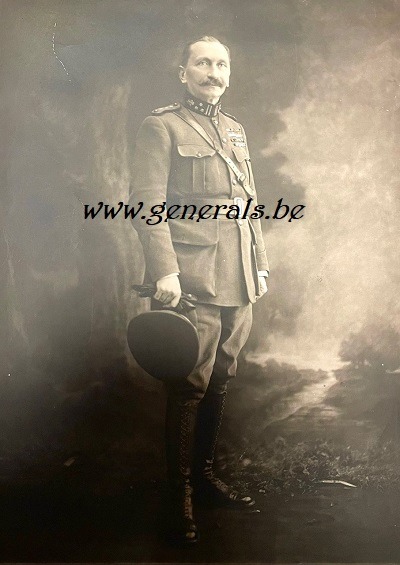
From 1888 to 1897, Cyriaque Gillain played an active role in the early expansion of the Congo Free State under Leopold II. His work in the Force Publique was both military and administrative in nature. He also took part in expeditions against Arab slave traders.
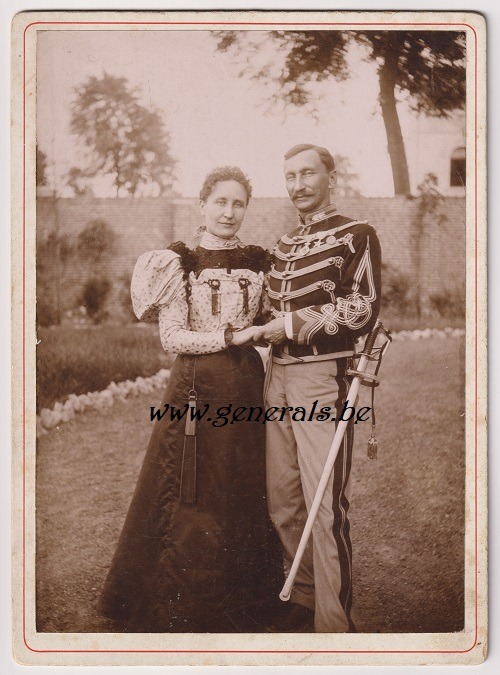
At his engagement. Gillain wears his Knight's Royal Order of the Lion (1894), his Congo Service Star (1892) and his Arabian Campaign Medal (1895). There are 58 known awards of the Arabian Campaign Medal.
At the start of the war, he commanded the 4th Lancers Regiment. During the Battle of Halen on 12 August 1914, his unit achieved a tactical victory over the German cavalry. From October 1914, he led the 1st Cavalry Brigade, which helped defend the Yser line, the last unoccupied part of Belgium, and from 1917, now as a major general, the 5th Army Division.
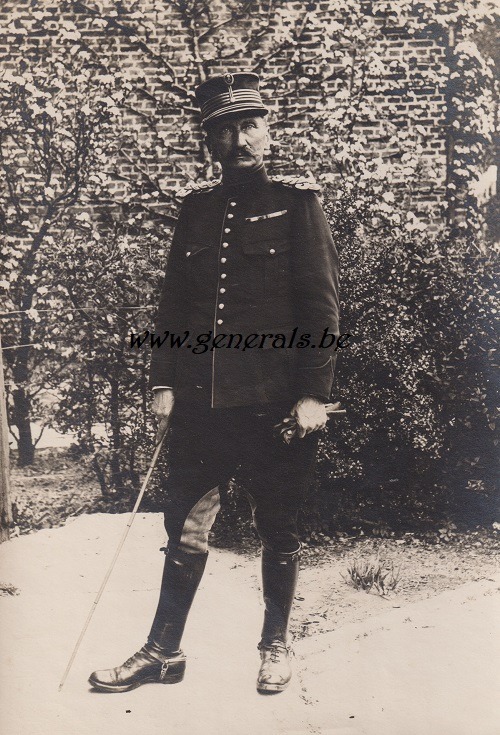
On 11 April 1918, King Albert I appointed Gillain, who had just been promoted to lieutenant general, as chief of staff of the Belgian army, succeeding General Ruquoy. He was chosen for his tactical insight and his reputation for sparing human lives during operations.

Just a few days after his appointment as Chief of Staff, the Belgian army under his command managed to halt a major German offensive at Merkem.
During the Liberation Offensive (September–November 1918), he coordinated the Belgian operations that led to the liberation of the coast and the victory at Torhout-Tielt.

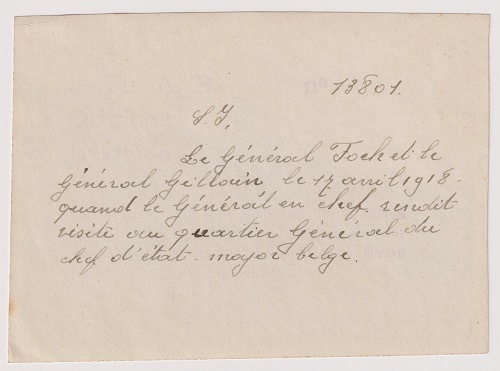
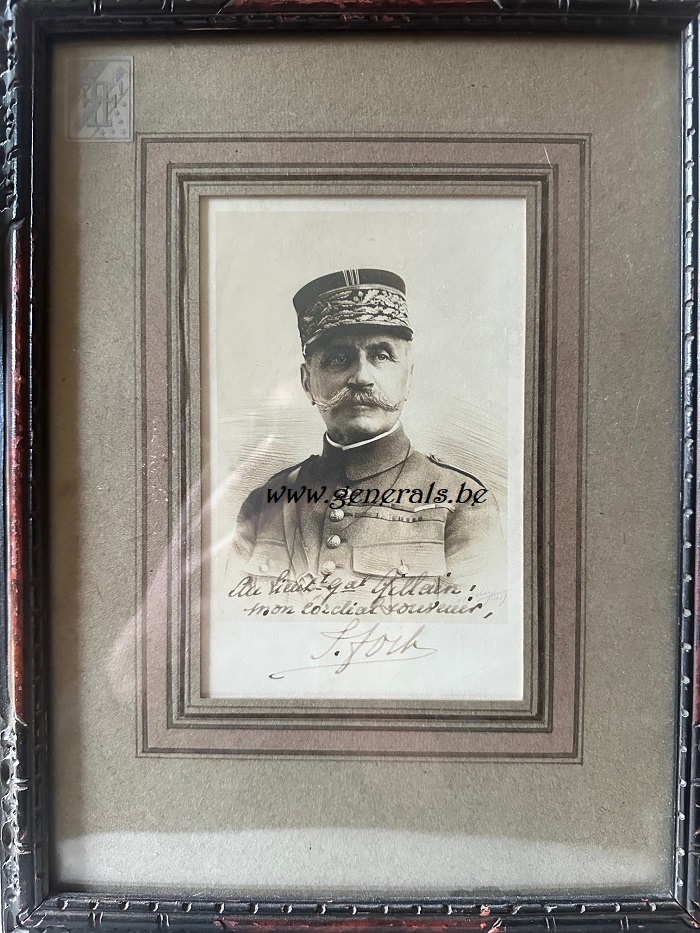
After resigning as Chief of the General Staff on 28 February 1920, he was immediately appointed a member of the High Council of Defence.
He retired later in 1920. From 1921 until his death in 1931, he served as a co-opted senator for the Catholic Party. In the Senate, he was mainly involved in military affairs and defending the interests of veterans. In 1923, he also became the first president of the Belgian Colonial College in Antwerp.