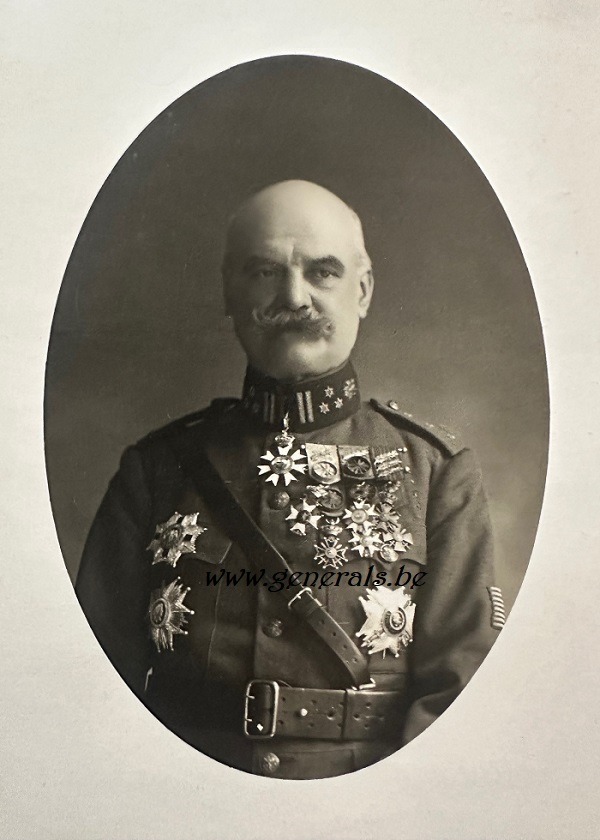
On the eve of the Great War, he had been responsible since 1912 for the delicate task of mobilising the Belgian army as section chief of the general staff.
As a major general, he led the 18th mixed brigade during operations around Antwerp and at Wakkerzeel.
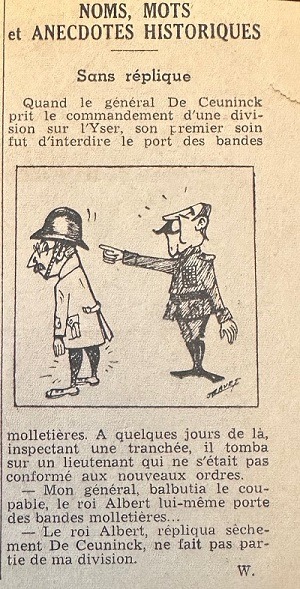
From 1915 to 1917, he commanded the 6th Army Division in the sector around Diksmuide, Oostvleteren and the Leie. This was one of the most desolate and dangerous sectors of the front, characterised by mud, constant shelling and close proximity to enemy lines. He was known for his iron discipline, which earned him the nickname “Groene Pier”.
The nickname has the following meaning:
The “Pier”: A popular name for Peter, but in the soldiers' language of the time often used as a synonym for a surly or gruff person.
The ‘Green’: This refers to his notorious temper. It was said that he literally turned green with rage when he encountered an undisciplined soldier or poorly polished equipment.
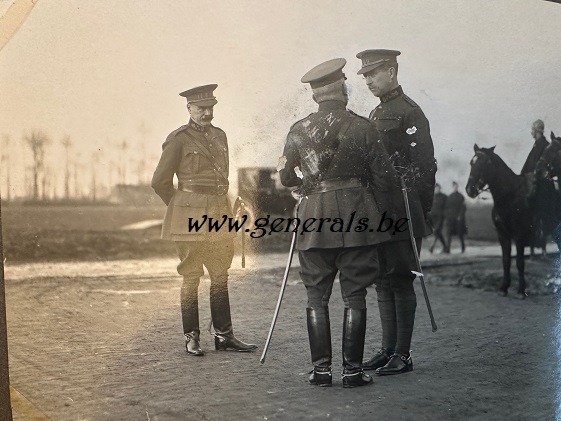
Lieutenant General Armand de Ceuninck was Minister of War from 4 August 1917 to 22 November 1918. He was imposed on the de Broqueville government by King Albert I in order to restore discipline in the Belgian army. Despite his political role, he remained physically close to the front and established his ministry in Veurne. He personally committed himself to providing the army with modern equipment and material welfare for the final offensive of 1918.
De Ceuninck was known for his authoritarian approach. He took a very strict stance against the Front Movement and Flemish-speaking soldiers who were campaigning for Flemish language rights on the Yser Front. Soldiers in possession of prohibited writings were severely punished.
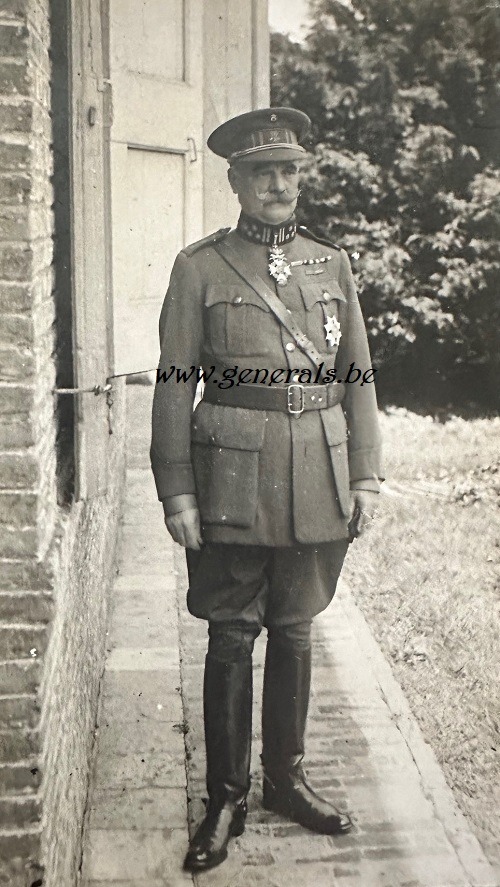
His actions created a deep divide between the largely French-speaking officers and the Flemish soldiers, laying the foundation for the post-war rise of Flemish nationalism.
Although he enjoyed the support of the King, he regularly clashed with the Council of Ministers over his harsh policy towards Flemish sympathisers. He remained in office until the entire government resigned upon returning to Belgium after the armistice.
After his ministry, he led the 4th Army Division, which was part of the Belgian occupation force in Germany.
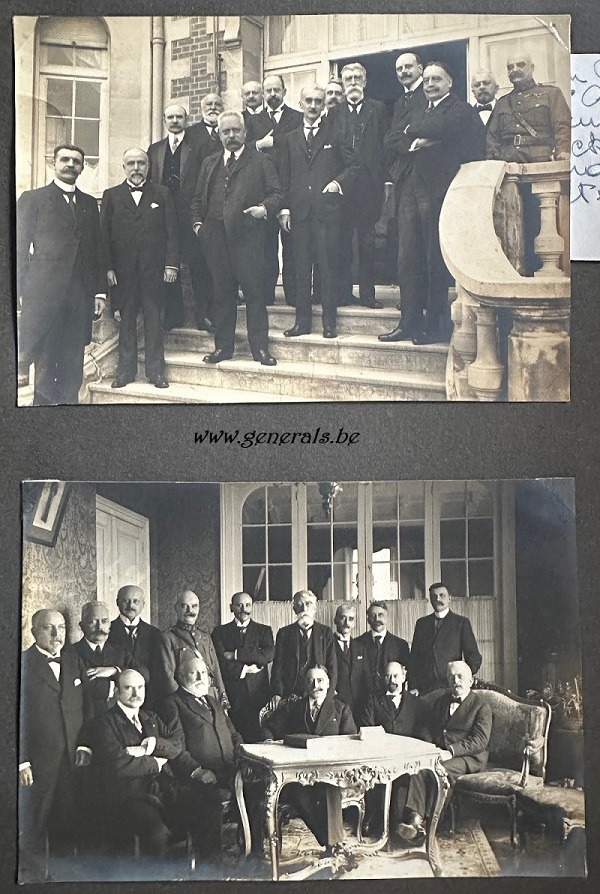
He represented Belgium in the disarmament commission at the League of Nations in 1920.
Armand de Ceuninck retired in the early 1920s, after a long military and political career that ended in the aftermath of the First World War.
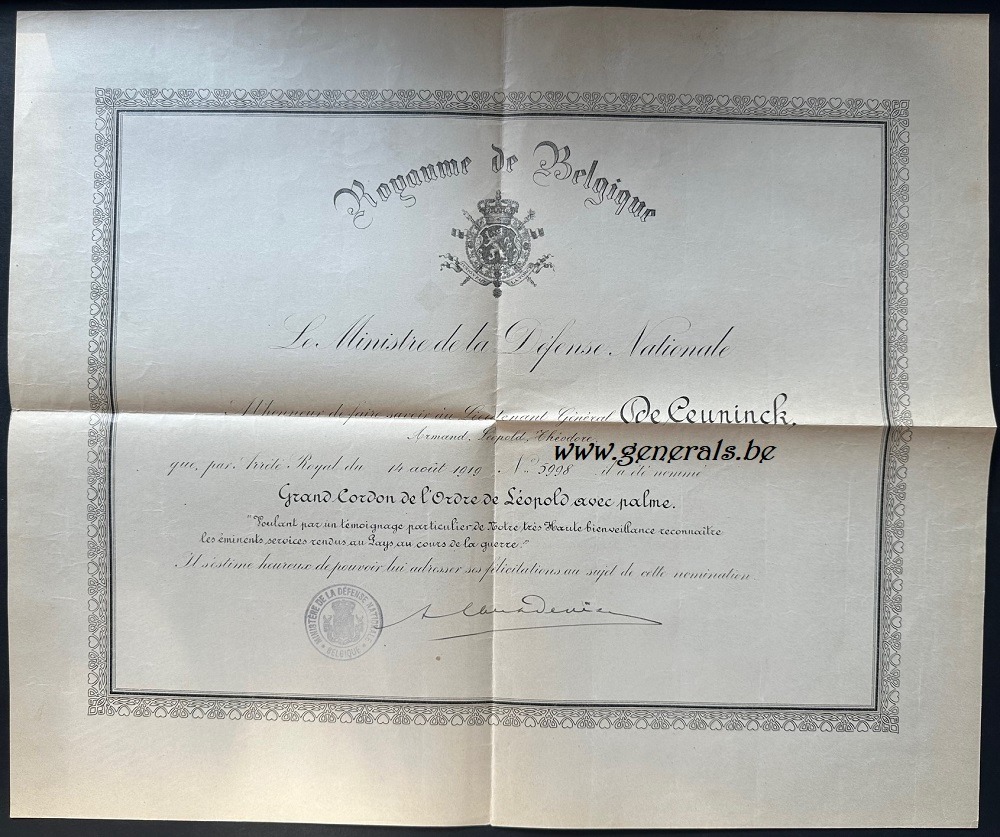
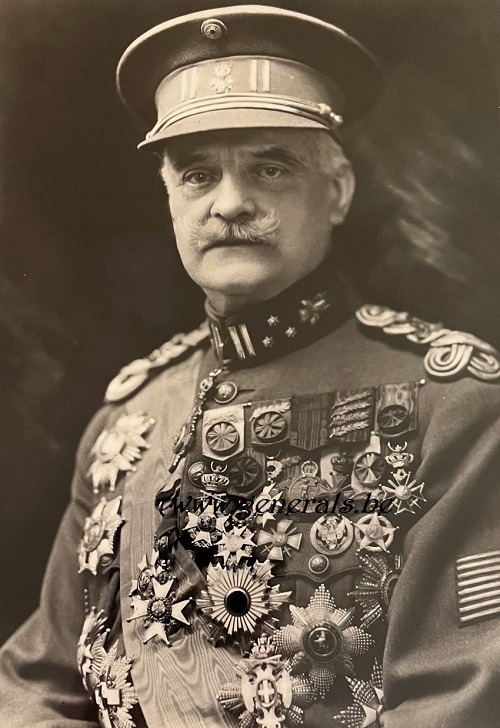
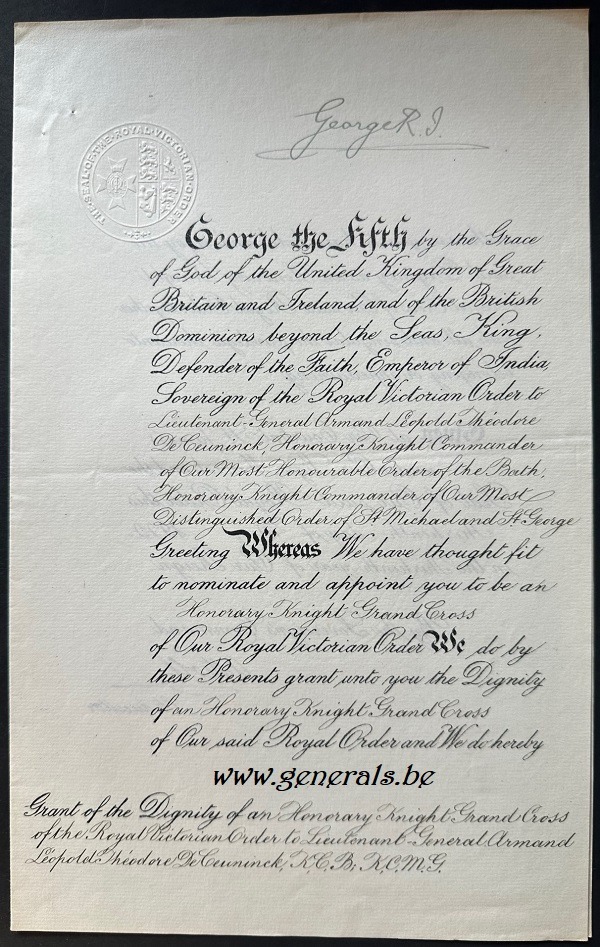
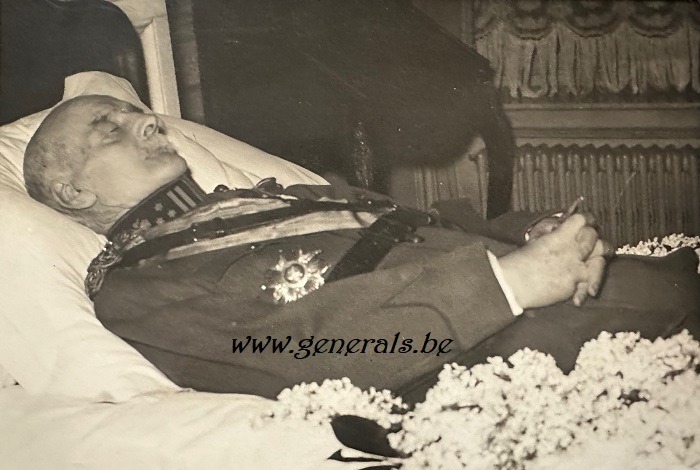
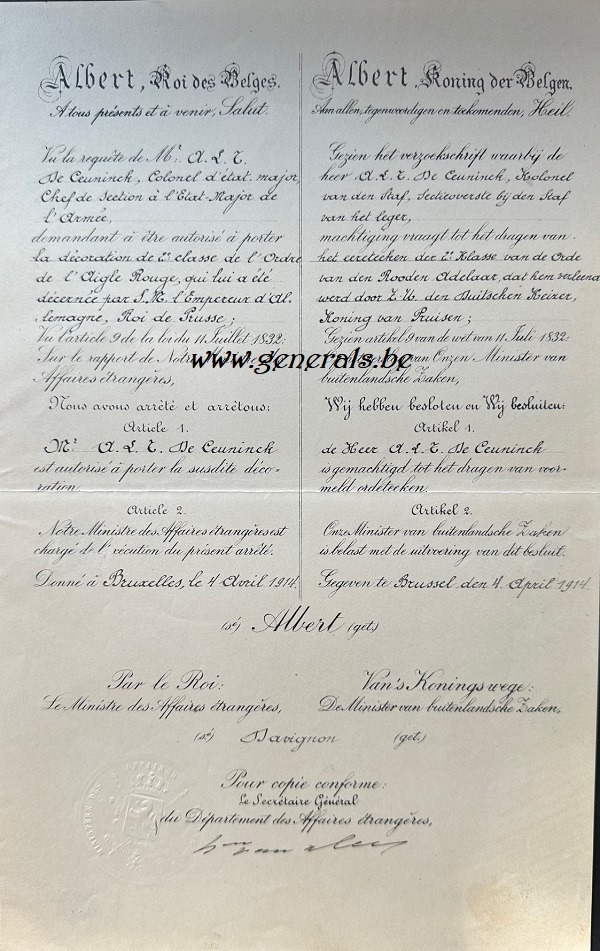
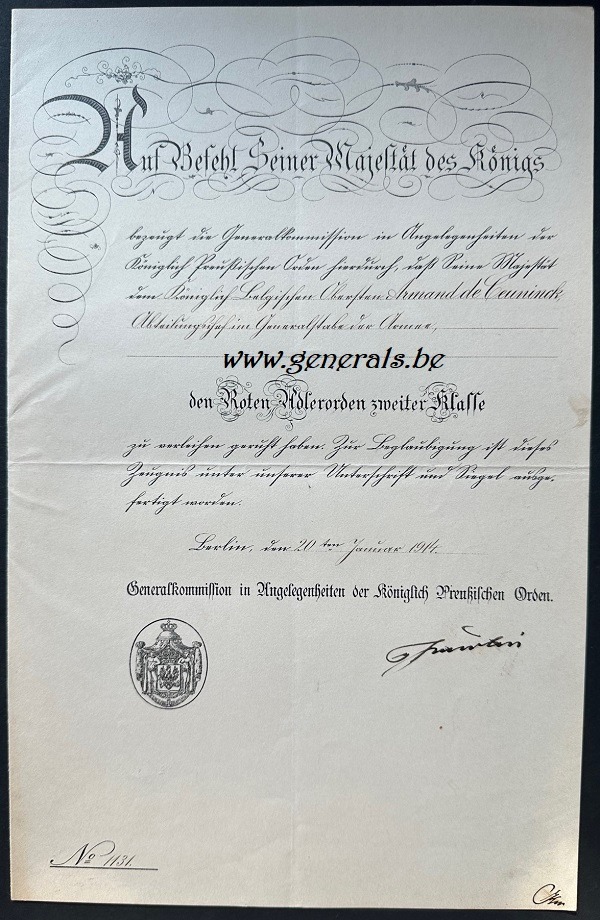
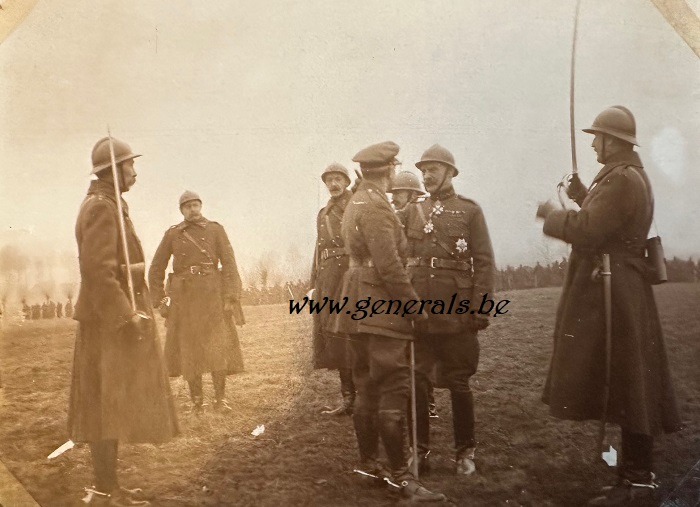
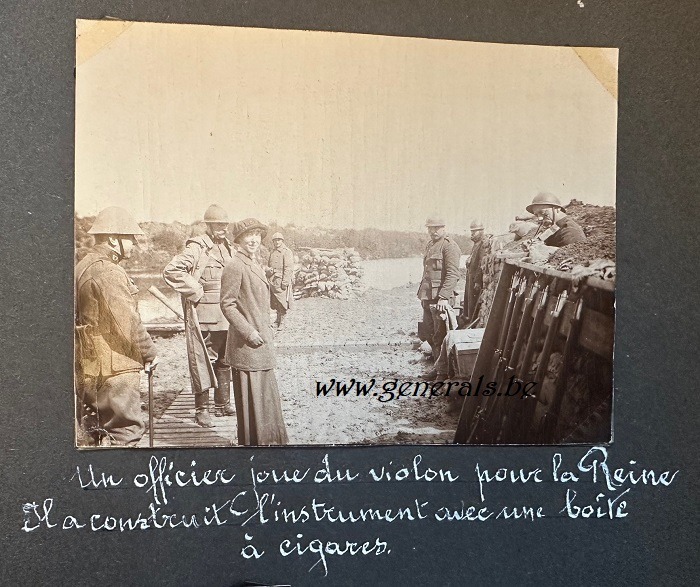
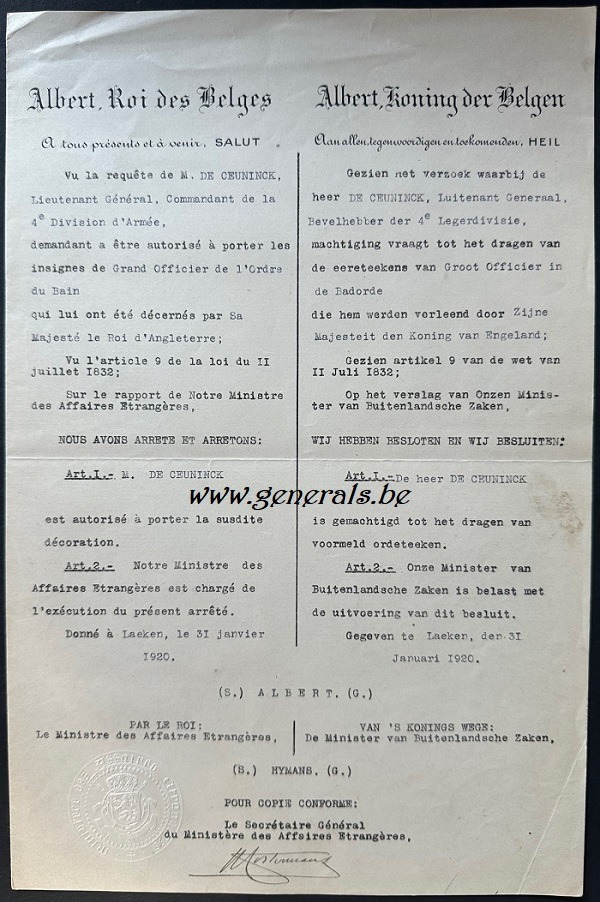
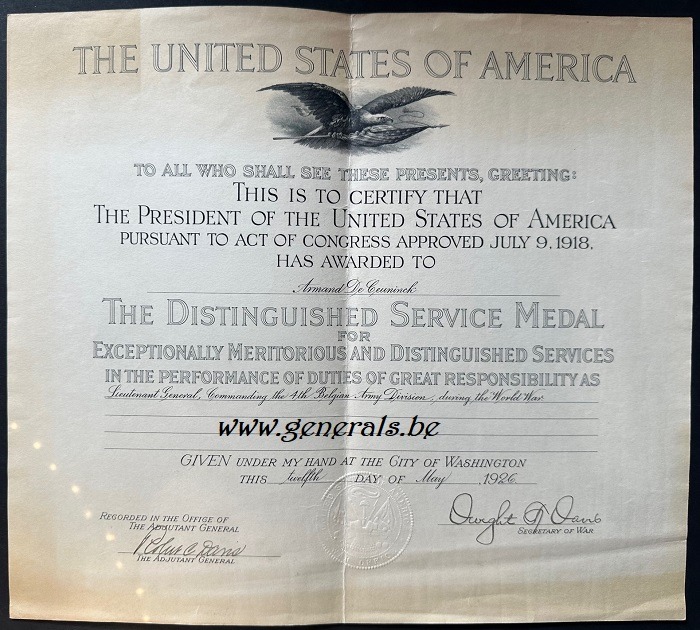
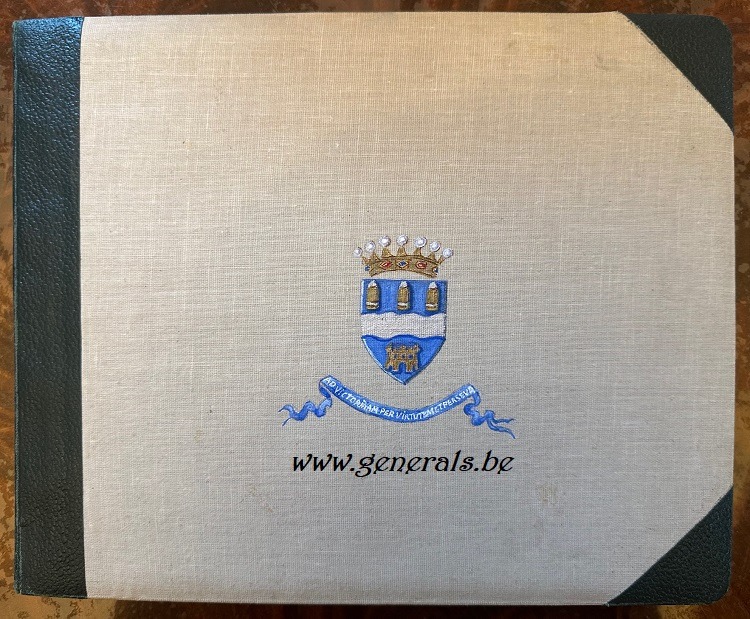
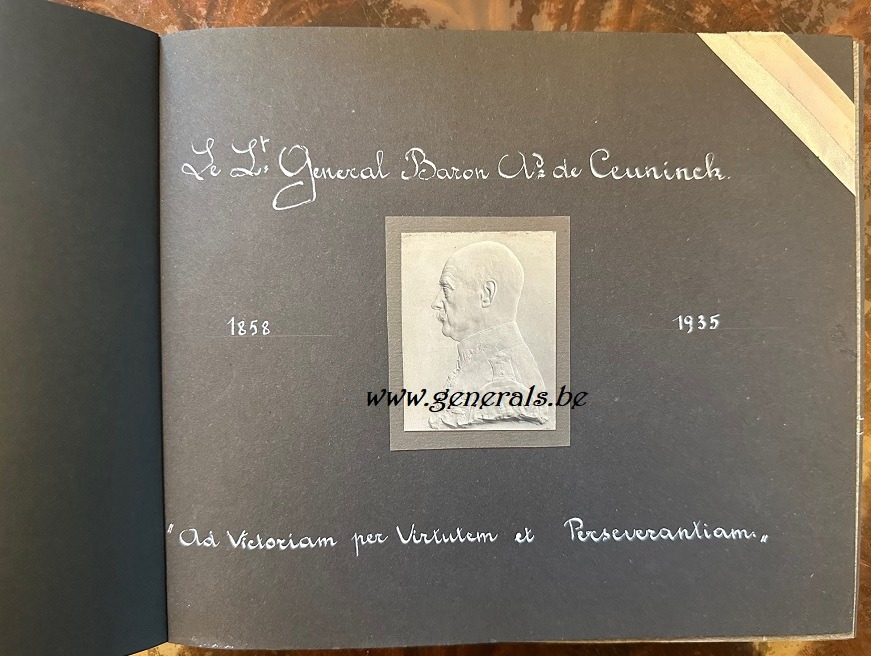
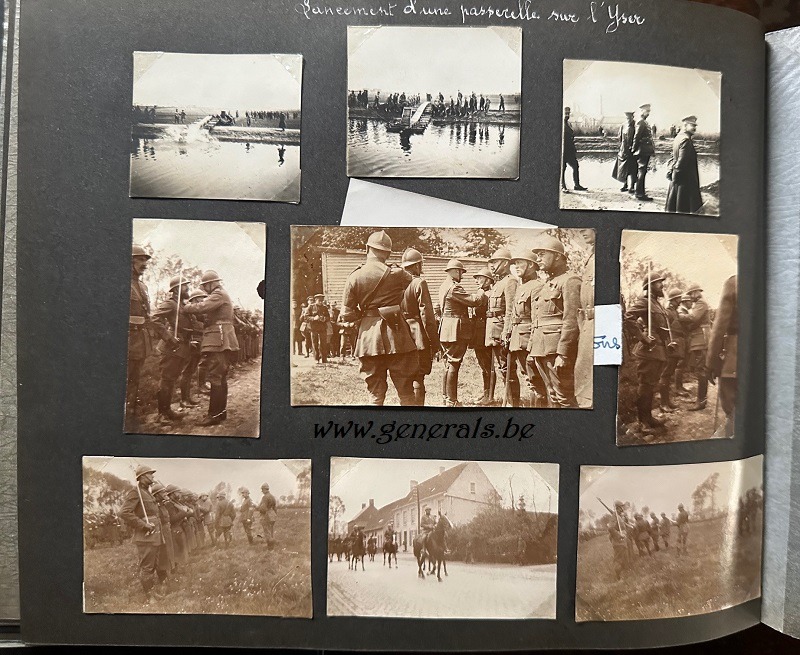
A small selection of certificates from my collection, along with some photographs from the two albums in my collection, compiled by his daughter. The albums contain more than 100 photographs.
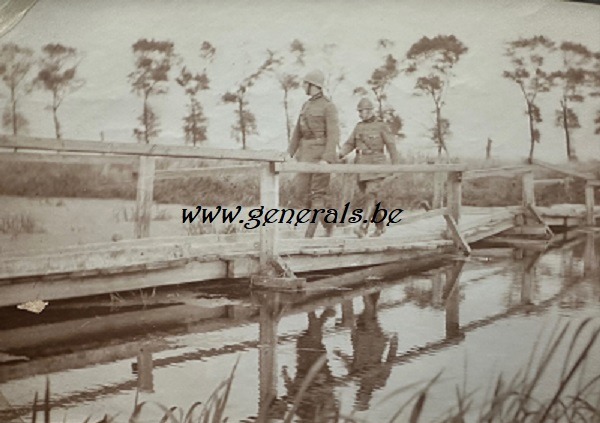
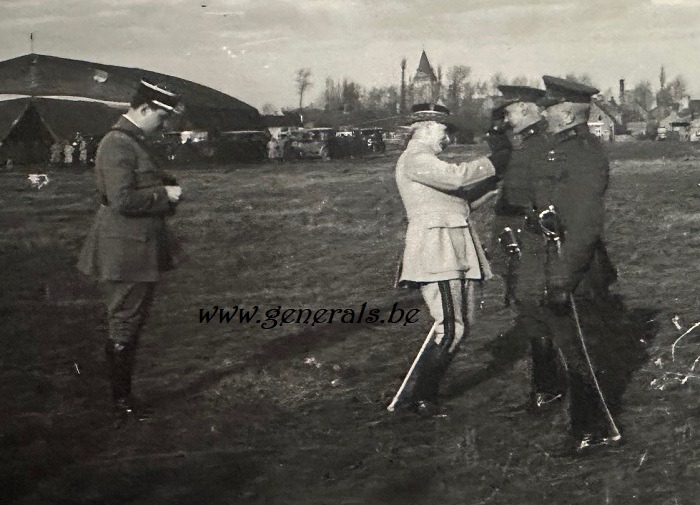
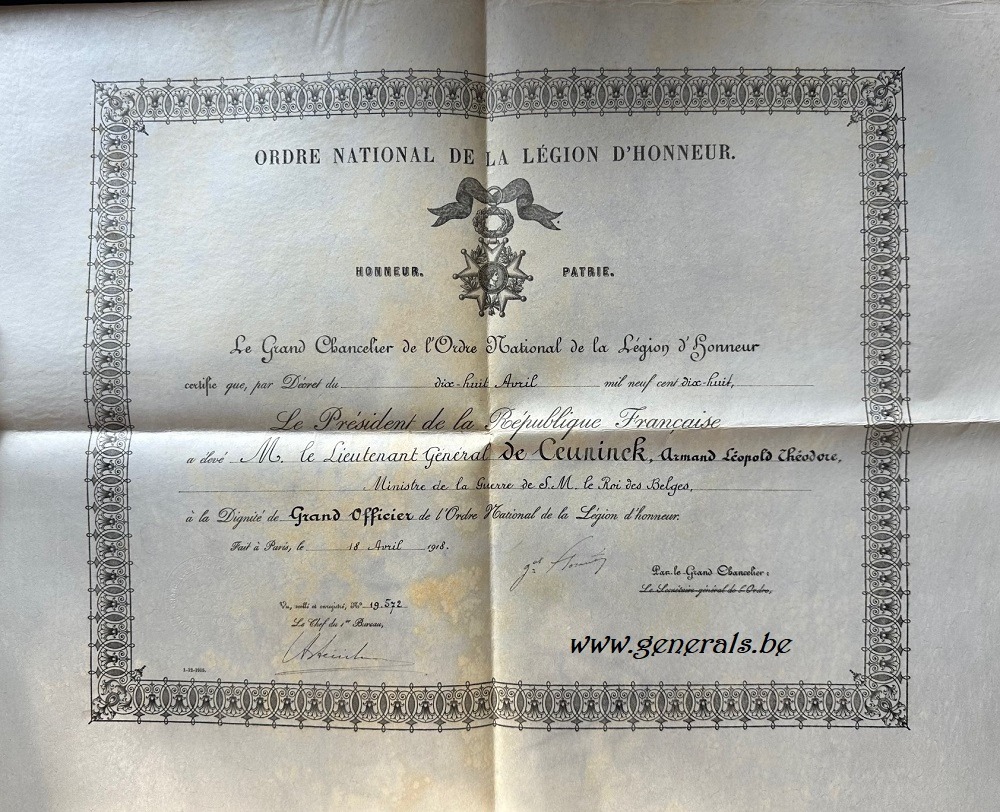
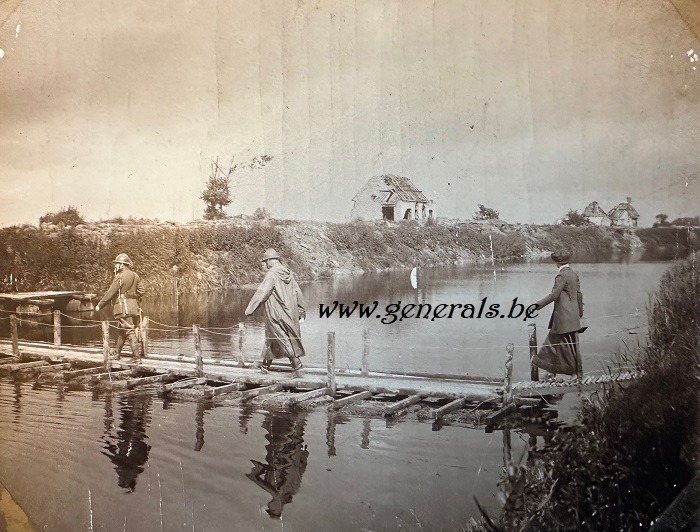
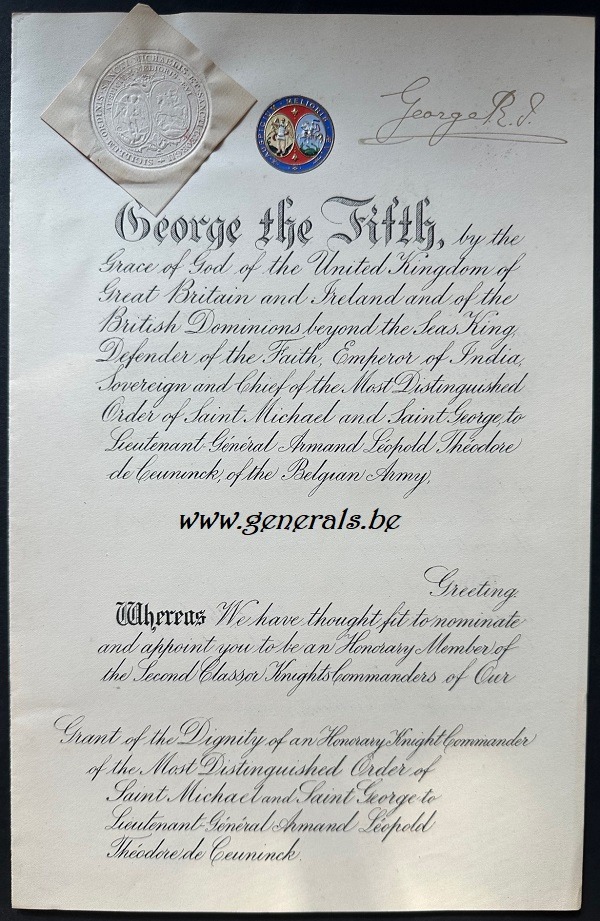
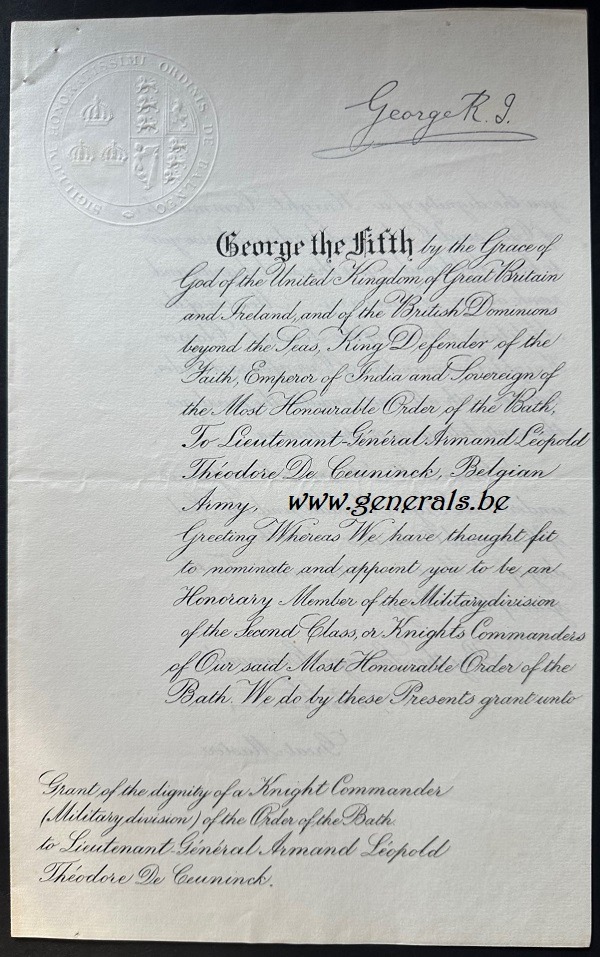
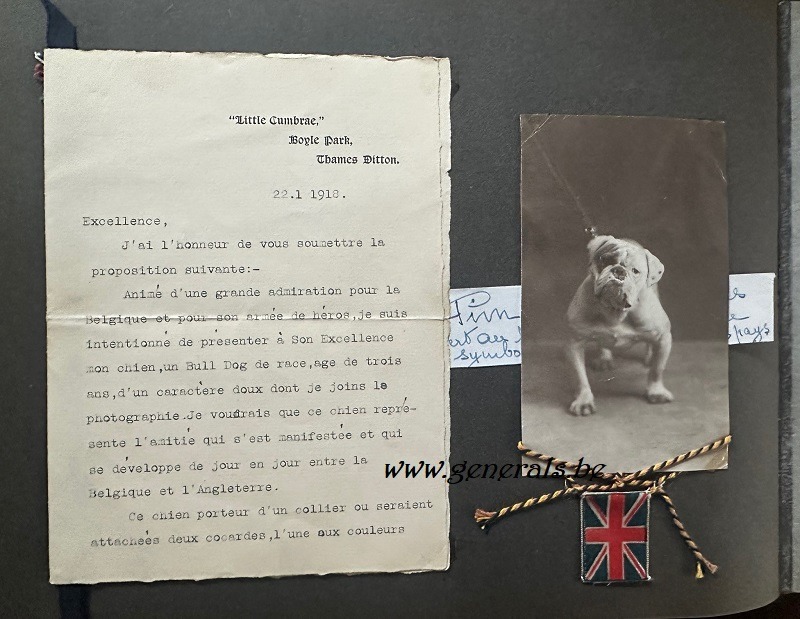
The general received many English orders, but also this bulldog.